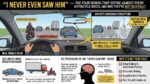
When you are injured due to someone else’s actions, the success of your legal claim often hinges on one critical concept: negligence. In Texas, personal injury law is built around this principle. Proving that another party was negligent is the key to holding them accountable and recovering compensation for your losses. But what does “negligence” actually mean in a legal sense?
Understanding this concept is essential for anyone who has been harmed in an accident. It is not enough to show that you were injured; you must demonstrate that the other party’s carelessness directly caused your harm. This guide breaks down the four essential elements of negligence in Texas personal injury cases.
What is Negligence?
At its core, negligence is the failure to use reasonable care to prevent harm to others. It is not about intentionally causing an injury but rather about acting carelessly or failing to act when a reasonable person would have. A driver who texts while behind the wheel, a store owner who ignores a slippery floor, or a doctor who makes a preventable surgical error are all examples of potential negligence.
To build a successful personal injury claim in Texas, you and your attorney must prove four specific elements. You must establish all four for your case to be valid.
1. Duty of Care
The first step is to show that the person who caused your injury (the defendant) owed you a legal “duty of care.” This means they had a legal responsibility to act with a certain level of caution to avoid harming you.
The specific duty of care can vary depending on the situation:
- Drivers: All drivers on Texas roads owe a duty to others to operate their vehicles safely and obey traffic laws.
- Property Owners: Business owners have a duty to keep their premises reasonably safe for customers (invitees) by fixing or warning about known hazards.
- Doctors: Healthcare professionals have a duty to provide care that meets the accepted standard within the medical community.
Essentially, if a situation poses a foreseeable risk of harm to others, a duty of care likely exists.
2. Breach of Duty
Once a duty of care is established, you must prove that the defendant “breached” that duty. A breach occurs when the defendant fails to act as a reasonably prudent person would have under similar circumstances.
To determine if a breach occurred, courts often ask: What would a reasonable person have done?
- A reasonable driver would not text and drive.
- A reasonable property manager would clean up a spill promptly or place a warning sign.
- A reasonable pet owner would restrain a dog with a history of aggression.
If the defendant’s actions fall short of this standard of reasonable care, they have breached their duty.
Case Study: A Clear Breach of Duty
Laura was shopping for groceries when she slipped and fell, breaking her wrist. Her attorney later obtained surveillance footage showing a store employee mopping the floor 30 minutes earlier but failing to put up any “wet floor” signs. A reasonable employee would have placed a sign to warn customers of the slippery surface. By failing to do so, the store breached its duty of care to Laura, a customer.
3. Causation
Proving a duty and a breach is not enough. You must also prove that the defendant’s breach directly caused your injuries. This element has two parts in Texas law:
- Cause in Fact (or “Actual Cause”): This is often determined using the “but-for” test. You must show that “but for” the defendant’s actions, your injury would not have happened. For example, “but for” the other driver running the red light, the collision would not have occurred.
- Proximate Cause (or “Legal Cause”): This element deals with foreseeability. You must show that your injury was a natural and foreseeable consequence of the defendant’s breach. For instance, it is foreseeable that if a driver runs a red light, they could cause a T-bone accident resulting in serious injuries. However, if the collision caused a power line to fall a mile away, injuring a pedestrian, that second injury might not be considered a foreseeable result of the initial breach.
Both cause in fact and proximate cause must be established to prove causation.
4. Damages
Finally, you must demonstrate that you suffered actual “damages” as a result of your injuries. Damages refer to the legally recognized losses you have incurred. If there are no damages, there is no basis for a claim, even if the other party was negligent.
Damages in a Texas personal injury case can include compensation for:
- Economic Damages: These are tangible financial losses with a clear monetary value.
- Medical bills (past, present, and future)
- Lost wages and loss of future earning capacity
- Property damage (e.g., car repairs)
- Rehabilitation and physical therapy costs
- Non-Economic Damages: These are intangible losses that do not have a specific price tag but are just as real.
- Pain and suffering
- Mental anguish
- Physical impairment or disfigurement
- Loss of enjoyment of life
Case Study: Connecting Negligence to Damages
Tom was rear-ended by a distracted driver. The driver clearly breached their duty of care, and the breach directly caused the accident. Tom experienced back pain and required surgery for a herniated disc, resulting in $80,000 in medical bills and $15,000 in lost wages. He also endured months of pain and could no longer participate in his hobbies. His damages were the $95,000 in economic losses plus compensation for his significant pain and suffering. This completed the four elements needed for a successful negligence claim.
The Importance of Proving Negligence
Insurance companies will often fight to dispute one or more of the four elements of negligence. They may argue that their client did not breach a duty of care or that your injuries were caused by a pre-existing condition, not the accident.
This is why working with an experienced personal injury attorney is so critical. A skilled lawyer knows how to gather the evidence needed to build a compelling case that proves each element. This may involve accident reconstruction, expert testimony, witness interviews, and subpoenaing records. By clearly establishing negligence, your attorney can position you to recover the full and fair compensation you are owed.
Helpful Resources
- Texas Civil Practice and Remedies Code: This is the primary source of state law governing civil lawsuits in Texas, including the rules that apply to personal injury and negligence claims.
Understanding the legal framework is the first step toward justice. To learn more about how these principles apply to your specific situation, explore The Role of Negligence in Texas Personal Injury Cases.