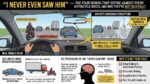
The moments after a collision with a commercial 18-wheeler are chaotic. But once the dust settles, a new kind of stress often sets in. You are likely facing a mountain of medical bills, missed time at work, and a painful recovery process. Amidst this uncertainty, one question we hear most often at McKay Law is: “When will this be over?”
You need compensation to pay your bills and secure your family’s future. However, you also need to know that the settlement you accept is fair and covers all your needs—not just for today, but for the years to come.
The honest answer regarding the timeline of a truck accident settlement is that it varies. While a simple car accident claim might resolve in a few months, commercial trucking cases in East Texas are far more complex. They involve federal regulations, corporate legal teams, and significant insurance policies.
This guide provides a transparent look at the timeline of a truck accident case, the factors that influence speed, and the steps we take to ensure you aren’t left waiting longer than necessary.
The Short Answer: Timelines Vary by Complexity
If you are looking for a quick estimate, most personal injury attorneys in Texas will tell you that a truck accident case can take anywhere from six months to several years to resolve.
Why is the range so wide? It comes down to the details of your specific crash.
- Straightforward Cases (6 to 12 months): If liability is clear (the truck driver admits fault), your injuries have fully healed, and the insurance company cooperates, a settlement can happen relatively quickly.
- Moderate Complexity (12 to 18 months): If you require ongoing medical treatment or if there are disputes about who is at fault, the process naturally extends.
- High Complexity (18 months to 2+ years): Cases involving catastrophic injuries, multiple liable parties (such as the trucking company and a cargo loader), or those that proceed to a jury trial will take the longest.
While we always aim for an efficient resolution, we never prioritize speed over value. Rushing a settlement almost always means leaving money on the table—money you may need for future medical care.
Phase 1: Medical Treatment and Reaching “MMI”
The legal clock starts ticking the moment the accident happens, but the negotiation clock cannot truly start until we understand the full extent of your injuries.
This phase is often the longest part of the process, and for good reason. Before we send a demand for payment to the insurance company, you generally need to reach a point called Maximum Medical Improvement (MMI).
MMI does not necessarily mean you are 100% healed or back to how you were before the accident. Instead, it means your condition has stabilized, and doctors do not expect further significant improvement.
Why We Wait for MMI
Imagine you settle your case three months after the accident for $50,000. Two months later, your doctor discovers that your back injury hasn’t healed as expected and you now require surgery costing $100,000. Because you already signed a settlement release, you cannot go back and ask for more money. You would be left paying for that surgery out of your own pocket.
By waiting until you reach MMI, we can accurately calculate:
- Past medical expenses
- Future medical needs (surgeries, physical therapy, medication)
- Long-term disability or impairment ratings
Your health is the priority. We handle the legal legwork while you focus on attending your appointments and following your doctor’s orders.
Phase 2: The Investigation and Preservation of Evidence
While you are recovering, the McKay Law Rapid Response Investigation Team is at work. In a standard car wreck, the evidence is usually just a police report and some photos. In an 18-wheeler accident, the evidence is far more technical and volatile.
Commercial trucking companies are governed by strict rules from the Federal Motor Carrier Safety Administration (FMCSA). These regulations provide us with a paper trail—but only if we act fast.
The “Black Box” and Driver Logs
Modern semi-trucks are equipped with Electronic Logging Devices (ELDs) and Event Data Recorders (often called “black boxes”). These devices record critical data such as:
- Speed at the time of impact
- Braking history (or lack thereof)
- Hours of Service (how long the driver had been behind the wheel)
Here is the critical timeline factor: Under federal regulations (49 CFR 395.8), trucking companies are only required to retain certain driver duty records for six months. Other data on the truck’s computer can be overwritten even sooner as the truck is put back into service.
If you wait eight months to hire an attorney, that evidence may be gone forever. We send a “spoliation letter” immediately upon being hired, which legally forces the trucking company to preserve this evidence. This step creates a stronger case foundation, which can actually speed up settlement talks later by proving liability early on.
Phase 3: The Demand and Negotiation Process
Once you reach MMI and we have gathered all evidence—medical records, police reports, black box data, and witness statements—we draft a comprehensive Demand Letter.
This document tells your story. It details the accident, proves the truck driver’s negligence, and itemizes every dollar of your physical, emotional, and financial loss. We send this to the trucking company’s insurance provider.
Texas Insurance Deadlines
Texas law provides specific timelines that insurance companies must follow, which helps keep the process moving. Under the Texas Insurance Code:
- Acknowledgment (15 Days): The insurer generally has 15 days to acknowledge receipt of our claim and begin their investigation.
- Acceptance or Rejection (15 Business Days): Once they have all the information they requested from us, they typically have 15 business days to accept or deny the claim.
- Payment (5 Business Days): If they agree to pay, they generally must issue the check within 5 business days.
However, insurance companies are experts at delaying. They may request “more information” to restart their 15-day clock. They may dispute the severity of your injuries. This is where the negotiation phase begins. We go back and forth to ensure they offer a fair amount. If they do, the case ends here. If they refuse to pay what you deserve, we proceed to litigation.
Phase 4: Litigation (Filing a Lawsuit)
If the insurance company acts in bad faith or offers a “lowball” settlement, we file a lawsuit. This does not necessarily mean you are going to court tomorrow. It simply moves the case into the formal court system. This phase significantly extends the timeline, potentially by a year or more, but it is often necessary to get maximum compensation.
Discovery (6 to 12 Months)
This is the longest phase of litigation. Both sides exchange information. We depose (interview under oath) the truck driver, the safety manager of the trucking company, and any witnesses. We may also hire accident reconstruction experts to build a digital model of the crash.
Mediation
Most courts in East Texas will order us to go to mediation before a trial date is even set. Mediation is a meeting where both sides sit down with a neutral third party to try and resolve the case. A vast majority of truck accident lawsuits are settled during mediation, avoiding the need for a trial.
Trial
If mediation fails, your case goes to trial. A jury trial requires extensive preparation. While getting a trial date on a court’s busy docket can take time, McKay Law prepares every case as if it is going to trial. This aggressive preparation often motivates insurance companies to settle before we ever step foot in the courtroom.
Factors That Can Delay Your Settlement
Understanding the variables that slow down a case can help manage expectations. In East Texas trucking cases, three main factors often cause delays:
1. Liability Disputes
In a rear-end car accident, fault is usually obvious. In a truck accident, the driver might claim a car cut them off. The trucking company might claim the brakes failed due to a manufacturing defect. When fault is contested, we must spend more time hiring experts to prove exactly what happened.
2. Multiple Defendants
Trucking accidents rarely involve just one defendant. We might need to sue:
- The driver (for negligence).
- The trucking company (for negligent hiring or training).
- The cargo loader (if shifting cargo caused the crash).
- The maintenance provider (if a mechanical failure occurred).
- The truck manufacturer (for defective parts).
Each of these parties has their own insurance company and legal team. Getting five different insurance adjusters to agree on who pays what is a time-consuming process.
3. Severity of Damages
High-value cases take longer to settle. If you have suffered a traumatic brain injury or require life-long care, the claim could be worth millions. Insurance companies fight tooth and nail to avoid paying out large policies. They will scrutinize every medical record and look for any reason to deny the claim. We stand firm against these tactics, but it takes time to dismantle their defenses.
The Texas Statute of Limitations: A Strict Deadline
While we have discussed how long a case can take, there is a strict rule on when you must start.
Under the Texas Civil Practice & Remedies Code § 16.003, you generally have two years from the date of the accident to file a lawsuit for personal injury.
If you wait two years and one day, you will likely be barred from recovering any compensation, no matter how severe your injuries are. This is why we urge victims not to “wait and see” how their injuries heal before contacting an attorney. We need that time to investigate and build the case before the deadline approaches.
How McKay Law Helps streamline the Process
You are likely feeling overwhelmed by the physical pain and the financial pressure. You want this to be over. We understand that.
At McKay Law, we balance efficiency with thoroughness. Our goal is to get the maximum compensation in your pocket as soon as possible, without cutting corners that would jeopardize your future.
We speed up the process by:
- Acting Immediately: Our Rapid Response Team preserves evidence before it disappears.
- Handling the Paperwork: We manage all filings and insurance communications so delays don’t happen due to administrative errors.
- Applying Pressure: We know the tactics insurance companies use to stall. We aggressively push back to keep the timeline moving.
- Expert Valuation: We have a network of medical and financial experts ready to value your claim accurately, so we don’t waste time guessing.
Your Path to Recovery Starts Now
The timeline for your truck accident settlement will depend on your unique recovery and the specifics of the crash. It is a journey, but it is not one you have to walk alone.
We are dedicated to providing you with clear, transparent updates every step of the way. You will never be left wondering where your case stands. We fight for your rights so you can focus on what matters most: your healing and your family.
If you have been injured in a truck accident in East Texas, do not let time run out on your claim. Contact McKay Law today. We offer free consultations, and because we work on a contingency fee basis, you pay nothing unless we win your case. Let us help you secure the justice and financial relief you deserve.