
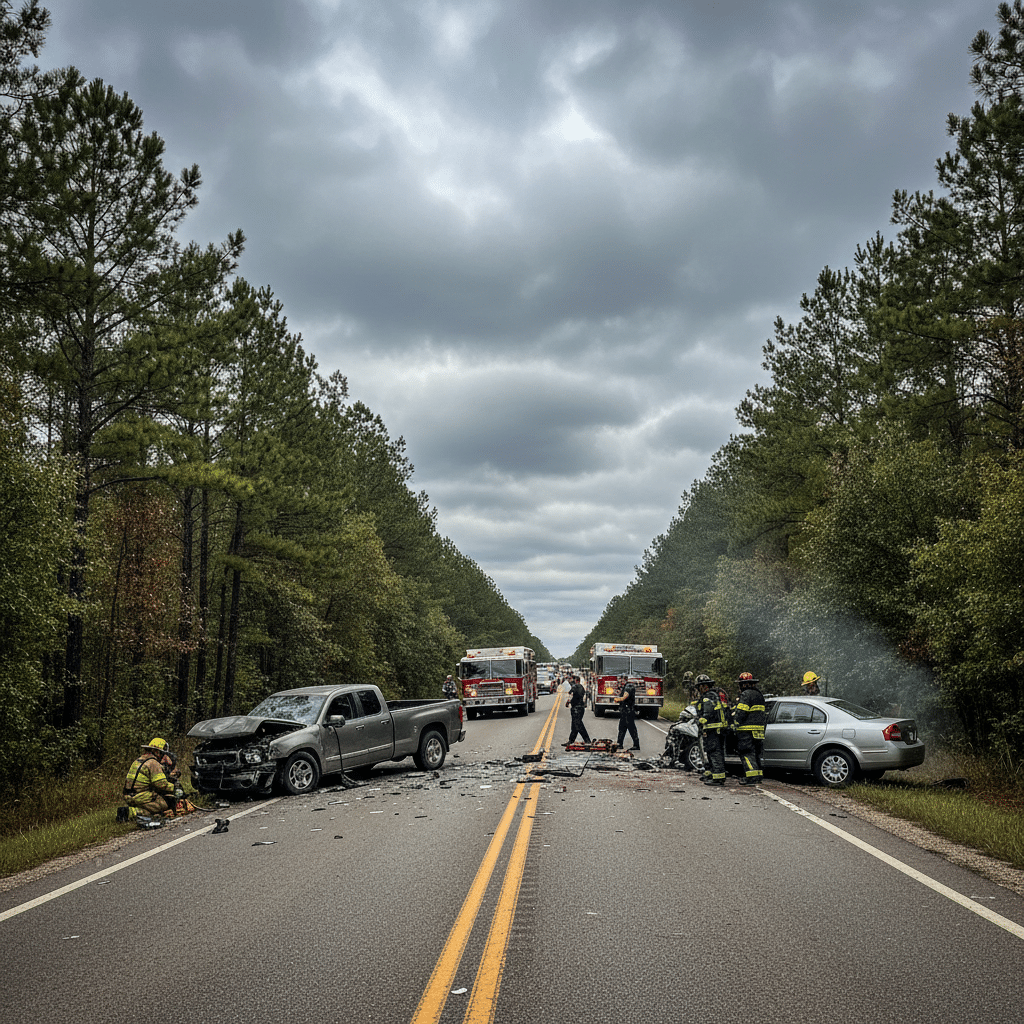
The sound of crunching metal and shattering glass is a noise you never forget. In a split second, a routine drive down I-20 or a trip to the grocery store in Tyler can turn into a life-altering event. When the dust settles and the shock sets in, it is normal to feel overwhelmed. However, the actions you take in the minutes, hours, and days following a crash are critical. They can determine whether you receive fair compensation for your injuries or are left paying for someone else’s mistake.
East Texas roads present unique challenges, from heavy logging truck traffic to rural highways where emergency response times can vary. Knowing exactly how to handle the aftermath of a collision is your best defense. This guide outlines the essential steps you must take to protect your health and your legal rights immediately after an accident.
1. Stop and Ensure Safety First
Your first priority is safety. Texas law requires drivers involved in an accident to stop immediately. Fleeing the scene can turn a traffic accident into a serious criminal offense.
If your vehicle is drivable and there are no serious injuries preventing movement, move your car to the shoulder or a safe location away from moving traffic. This prevents secondary accidents, which are common on high-speed roads like US-59 or Loop 281. Turn on your hazard lights to alert other drivers.
If you cannot move the vehicle, or if you suspect someone has a serious injury, do not attempt to move them unless there is an immediate danger, like a fire. Waiting for paramedics is usually the safest option to avoid exacerbating spinal or neck injuries.
2. Check for Injuries and Call 911
Once you are in a safe position, check yourself and your passengers for injuries. Adrenaline is a powerful hormone that can mask pain immediately after a trauma. You might feel “fine” in the moment, only to wake up the next morning in agonizing pain.
Regardless of how minor the damage looks, you should call the police. In East Texas, this might be the local police department (if you are in city limits like Longview or Marshall), the Sheriff’s Office, or the Texas Department of Public Safety (DPS).
When you call 911:
- Tell the dispatcher your exact location. Look for mile markers, cross streets, or landmarks.
- Report if there are any visible injuries.
- Report if the road is blocked.
Having a police report is one of the most vital pieces of evidence for your future insurance claim or personal injury lawsuit. It provides an unbiased account of the scene, driver details, and often the officer’s initial determination of fault.
3. Gather Evidence at the Scene
While you wait for law enforcement to arrive, and if you are physically able to do so, start building your case. In the digital age, your smartphone is your most powerful tool. Evidence can disappear quickly—vehicles get towed, rain washes away skid marks, and witnesses leave.
Take photos and videos of:
- Vehicle Damage: Capture all angles of every vehicle involved, not just yours. Look for paint transfer, shattered glass, and deployed airbags.
- The Scene: Take wide shots that show the positioning of the cars relative to the road lanes.
- Road Conditions: Was it raining? Was there construction? Is there a pothole or obscured stop sign?
- Injuries: Photograph any visible cuts, bruises, or burns on yourself or passengers.
Why Context Matters
In East Texas, road conditions change rapidly. A sun-blinded driver on a farm-to-market road at sunset presents a different liability scenario than a hydroplaning incident during a storm. Documenting these environmental factors helps your attorney reconstruction the accident later.
4. Exchange Information (But Keep It Brief)
You are required to exchange information with the other driver. However, you should limit your interaction to the facts. Do not engage in an argument about who caused the crash.
Collect the following:
- Full name and contact information.
- Driver’s license number.
- License plate number and vehicle make/model.
- Insurance company name and policy number.
If there are witnesses—bystanders, other drivers who stopped, or store owners nearby—get their names and phone numbers immediately. Independent witnesses are often the tipping point in proving liability when it’s your word against the other driver’s.
5. Watch What You Say
This is perhaps the most difficult step for many polite East Texans: Do not apologize.
It is natural to want to say “I’m sorry” or “I didn’t see you” out of habit or shock. However, insurance adjusters can and will twist these words to look like an admission of guilt. Even asking “Are you okay?” can sometimes be misconstrued in a recorded statement later.
Be cooperative with the police officer and answer their questions honestly, but stick strictly to the facts. Do not speculate on how fast you were going or what the other driver was doing unless you are 100% certain. If you don’t know the answer, “I don’t know” is a perfectly acceptable response.
6. Seek Medical Attention Immediately
Even if you walked away from the crash feeling relatively okay, you need to see a doctor. Many common car accident injuries, such as whiplash, concussions, and internal bleeding, do not show symptoms for hours or even days.
Going to the emergency room, an urgent care center, or your primary care physician creates a medical record linking your injuries directly to the accident. If you wait two weeks to see a doctor, the insurance company will argue that your injuries were caused by something else in the intervening time.
Follow your doctor’s orders. If they prescribe physical therapy or rest, do it. Failing to follow medical advice can be used against you to reduce your compensation.
7. Report the Accident
For legal and insurance purposes, the accident must be properly documented. While the police report usually handles the legal requirement, there are instances where you may need to file a Crash Report (Form CR-2) if police did not investigate the crash and damage exceeds $1,000.
For more information on crash reports, safety data, and road conditions, you can rely on resources from the Texas Department of Transportation. They maintain the records that often become relevant during traffic investigations.
8. Consult with a Personal Injury Attorney Before Signing Anything
Shortly after the accident, the other driver’s insurance company will likely contact you. They may sound friendly and concerned, offering you a quick settlement to “cover your bills.”
Do not accept their first offer. Do not give a recorded statement without legal counsel.
Insurance adjusters are trained to minimize payouts. That quick settlement offer is almost guaranteed to be far less than the actual cost of your medical care, lost wages, and pain and suffering. Once you sign a release, you cannot go back and ask for more money if your injuries require surgery months down the road.
This is where McKay Law comes in.
Why You Need McKay Law
We understand the tactics insurance companies use to devalue East Texas accident claims. We know how to calculate the true value of your claim, including future medical needs and non-economic damages like emotional distress.
When you hire us, we handle the communication with the insurance companies. We gather the police reports, interview witnesses, consult with accident reconstruction experts, and fight to ensure you are treated fairly.
Don’t Navigate the Aftermath Alone
The days following a car accident are confusing and stressful. You should be focused on healing, not arguing with insurance adjusters.
If you or a loved one has been injured in a car accident in East Texas, contact McKay Law today. We offer a free, no-obligation consultation to review your case and explain your legal options. Let our experienced team advocate for the justice and compensation you deserve.