

ESPAÑOL | FREE CASE EVALUATION | 1-866-335-5885 | AVAILABLE 24/7
“Texas Tough” McKay Law
Clifton Bus Accident Attorney
A bus crash is unlike any other accident on the road — a single wreck can affect entire families at once. At McKay Law, we advocate for bus accident victims throughout Clifton, confronting the transit agencies, charter companies, school districts, and corporate insurers who move quickly to protect themselves. If you or a loved one was hurt in a public transit bus, a district-operated bus, a commercial passenger bus, a shuttle or hotel bus, or any other mass-transit vehicle, our committed trial lawyers are ready to carry the legal fight.
Our firm handles bus accident cases throughout Clifton and the surrounding East Texas area, fighting for passengers, pedestrians, and other drivers harmed by fatigued or distracted operators, poorly maintained vehicles, inadequate driver training, unsafe passenger conditions, operators pushed to meet impossible timetables, and other lapses in responsibility. Armed with a deep understanding of Texas law as it applies to commercial passenger vehicles, we build cases designed to reach the companies and agencies behind the driver. Bus cases are uniquely complex — government liability and sovereign immunity can all come into play, and missing a deadline can end a case. With a reputation for substantial settlements and verdicts, we push hard to help you recover fully. Let our family help yours.
Do You Have A Claim?
Clifton Bus Accident Law Firm | McKay Law
A bus accident can turn your world upside down in an instant. In one moment you’re making your way through Clifton, TX, and the next you’re confronting serious injuries, mounting hospital bills, aggressive insurance adjusters, time away from work, and questions you never thought you’d face. McKay Law advocates for bus accident victims and their families all over Texas, leading them through every step of the legal process with focus and compassion. Whether your crash was caused by a municipal transportation vehicle, a school bus, a tour bus, a commercial passenger bus, a private group shuttle, an passenger van, or a fatigued operator, our attorneys carefully investigate the evidence—crash reports, driver logs, vehicle maintenance records, onboard video footage, route and speed data, accident reconstruction, and witness accounts—to establish exactly how the driver, bus company, or responsible agency led to your injuries.
Strong legal representation calls for more than courtroom experience—especially when pursuing claims against government entities that often enjoy special legal protections. At McKay Law, we appreciate the heavy burden a serious bus crash places on your body, your finances, and your family’s sense of security. That’s why we match aggressive legal tactics with heartfelt care, staying with you from your first phone call through the final outcome. Bus companies, government agencies, and their insurers are practiced at undervaluing claims, invoking procedural defenses, withholding records, and shifting blame—we are just as adept at pushing back. Our firm holds negligent bus drivers, bus companies, transit authorities, school districts, and insurance carriers completely responsible under Texas law, giving injured people in Clifton, TX the results and reassurance they deserve.
Every client we represent deserves the fullest recovery the law allows—more so when bus accident injuries can be devastating due to the lack of seatbelts on many buses. That means seeking compensation for emergency care, long-term treatment, surgeries and rehabilitation, lost earnings, reduced ability to earn, pain and suffering, and the long-term consequences of your injuries. While we oversee the investigation, negotiation, and litigation—including preserving critical evidence before it can be destroyed or altered—you stay focused on healing. If a reckless transit operator or the organization behind them has disrupted your life in Clifton, TX, reach out to McKay Law—we’ll defend your rights and help you move forward with confidence.
Understanding Bus Accident Claims in Clifton, TX
Buses fill a unusual place in our daily traffic. We entrust them with our children on the way to school, our parents on senior center shuttles, and ourselves on commutes, vacations, and church outings — then mostly forget they’re out there until one of them is involved in a serious wreck. And when that happens, the consequences is seldom contained to a single injured person. Whole busloads can be hurt at once, government agencies are commonly involved, and the legal questions that follow are nothing like routine. If you or a family member was hurt in a bus accident in Clifton, TX, the steps you take now can shape whether a recovery is possible at all.
What Kind of Bus Was It?
One of the first things a lawyer will ask, the type of bus involved dictates the legal path forward. A city transit bus triggers one set of rules; a charter coach triggers a different set entirely. The major categories we see include:
- Public school buses operated by a school district
- City, county, or regional transit buses
- University and college shuttles
- Charter and tour coaches
- Church, nonprofit, and community group buses
- Airport, hotel, and casino shuttles
- Intercity carriers such as Greyhound, FlixBus, and Megabus
- Private contractor buses for camps, sports teams, and senior facilities
- Private employer shuttles
Identical-looking crashes can go very different directions legally, depending on whether a governmental entity, a common carrier, or a private operator is the defendant. That one detail often governs deadlines, damages caps, and who can even be sued.
What Makes Bus Accident Claims Their Own Animal
A few factors distinguish bus accident claims apart from standard auto cases. All of them can make the case harder — or, handled right, more valuable.
An Elevated Legal Standard. Many bus operators are classified as common carriers under Texas law, which requires them to exercise the highest degree of care for the safety of their passengers. That exceeds what an ordinary driver is held to, and it gives passengers a stronger starting position in any negligence case.
Multiple Victims, One Policy. A full charter coach carries 50+ people. A commuter bus can carry more. When a single crash injures many passengers, they are often competing against the same insurance coverage. Moving early can be the difference between recovering fully and recovering what’s left after others have settled.
Government Defendants Change Everything. School buses, city transit, and university shuttles are frequently owned and operated by governmental entities. When that’s the case, the Texas Tort Claims Act takes over — with sovereign immunity defenses, damage caps, and notice deadlines significantly briefer than the ordinary two-year statute of limitations.
The Rules in Play
A bus accident claim in Clifton, TX may pull from a stack of legal sources at once: the Texas Civil Practice and Remedies Code, the Texas Transportation Code, the Texas Tort Claims Act (for government defendants), and the Federal Motor Carrier Safety Regulations (for interstate and certain intrastate operators). Several doctrines tend to dominate:
Negligence and the Common Carrier Standard. To recover, a plaintiff must show duty, breach, causation, and damages. For passengers injured on a common carrier, the duty owed is the highest practicable — not merely reasonable — care.
Federal Safety Regulations. The FMCSRs govern driver hours of service, qualifications, drug testing, vehicle inspection, and maintenance. A documented violation is commonly used as evidence of negligence.
The 51% Rule. Texas’s modified comparative fault rule usually doesn’t matter much for passengers, who rarely bear any fault. It turns into a bigger issue when the claimant is another driver, a pedestrian, or a cyclist struck by the bus.
The Texas Tort Claims Act. For government-operated buses, the Act sets the ceiling on damages and the floor on procedural requirements. Notice of claim must frequently be given within 90 days to six months, and many municipalities impose their own charter-based notice rules that are even shorter. Miss the notice window and the case is typically over.
Damage Limits. Compensatory damages against private bus operators are generally uncapped. Against governmental defendants, statutory caps apply. Punitive damages in all cases are subject to their own statutory limits.
Sorting Out the Defendants
A bus crash seldom has just one defendant. Depending on the facts, liability may extend to the driver, the bus company or operator, a school district or transit authority, a third-party driver-staffing or charter booking company, the manufacturer of a defective component (brakes, tires, steering, seat belts), a maintenance contractor, another motorist whose own negligence contributed, or a government entity responsible for roadway design, signage, or maintenance. Identifying every potentially liable party — and doing it early — is one of the most consequential things a bus accident attorney does.
What Causes Bus Crashes in Practice
After representing clients in bus cases for families across East Texas, a handful of causes show up again and again: driver fatigue, hours-of-service violations, distraction from phones and dispatch devices, inadequate driver screening and training, skipped maintenance or ignored inspection findings, defective or worn brakes and tires, overaggressive scheduling that pressures drivers, improper loading of luggage or equipment, passenger injuries from sudden braking or sharp turns (especially on charters and school buses where standing or unrestrained passengers are common), collisions caused by other motorists’ negligence, and — in a growing number of cases — operator cost-cutting that puts unsafe equipment or underqualified drivers on the road.
Proof Is Everything
A bus case is won or lost on documents and data that mostly live with the defendant. The evidence that matters most includes onboard camera footage (many buses have four to eight cameras running at once), GPS and telematics data, ELD and hours-of-service logs, maintenance and inspection records, driver hiring, training, and disciplinary files, dispatch logs and route records, passenger manifests, witness statements, crash scene photos and measurements, surveillance footage from nearby businesses, cell phone records, and expert analysis from accident reconstructionists, bus safety specialists, and medical professionals.
Much of this stays put on its own. Camera systems overwrite within days. Damaged buses get repaired and rolled back into service. Out-of-town passengers scatter. A spoliation letter sent quickly is often the difference between having the proof and losing it.
The Deadlines — And Why the Real One May Be Sooner Than You Think
The two-year Texas statute of limitations gets most of the attention, but in bus cases, it’s often the wrong deadline to watch. When a governmental entity is involved, the Texas Tort Claims Act and local charter rules can require written notice of the claim within six months — in certain jurisdictions within 90 days or even 45 days. These aren’t technicalities; they’re claim-enders. More than a few viable claims have been lost because no one gave proper notice to the right entity in time.
The real-world deadline is the one evidence imposes. Every week after a crash erases some of the proof a case needs.
Why Experienced Counsel Matters
Bus operators and their insurers don’t take their time. Within hours of a serious wreck, investigators are at the scene, risk managers are pulling records, and claims professionals are preparing responses to the lawsuits they know are coming. Meanwhile, the people on the bus are still being sorted in emergency rooms.
That imbalance is why retaining an experienced Clifton bus accident attorney quickly matters so much. The right lawyer will identify every applicable notice deadline and file before it’s too late, preserve evidence through formal demand, pursue every potentially liable party, bring in the specialists needed to document what happened, deal with insurers so injured clients can focus on healing, document the full extent of the harm — from the ER bill through decades of future care — and refuse to accept a settlement that doesn’t reflect the true value of the case.
If you or someone you are close to was injured in a bus crash in Clifton, TX, the time to act is now. Reach out to an experienced bus accident attorney as soon as you can for a consultation of your case.
Bus Crash Attorney in Clifton: Committed Legal Representation from Lindsey McKay
Just seconds on the road can upend everything. When a bus crashes into another vehicle or goes out of control while carrying riders, the people affected rarely walk away unchanged. Medical bills start arriving before the bruising fades. A crushed car sits in a storage lot piling up impound charges. Income suddenly halts while recovery continues for weeks or even months. And behind all of it is the silent, draining burden of emotional trauma that does not show up on any X-ray.
For individuals in Clifton facing this kind of unexpected crisis, moving forward often seems impossible without help. They need an advocate on their side who grasps the full weight of their situation, sees them as a human being rather than a file number, and is prepared to battle hard for the compensation they have earned. Lindsey McKay has built her practice around exactly that kind of representation, helping people hurt in bus wrecks throughout the Clifton region with a mix of authentic compassion and formidable legal capability.
Representation That Starts with the Client
Numerous law practices claim to be client-focused. What truly sets Lindsey McKay’s practice apart is how consistently that promise holds up in practice. She approaches each case knowing that behind all the paperwork, medical charts, and insurance documents, there is a real person laboring to piece their life back together. The person sitting across from her might be a mother or father concerned about supporting their children, a regular bus rider questioning whether they will ever feel secure using transit again, or a retiree whose tranquil routine has been broken by a crash they never saw coming.
Rather than racing through intake meetings and forcing a standard plan onto every matter, McKay takes time to listen. She wants to learn the facts, the full extent of her client’s losses, and what recovery needs to look like for that particular family. Only then does she build a legal strategy designed around those specific circumstances.
That client-first orientation also shapes how she communicates. Clients should never be left guessing about their case or have to track down their own lawyer for news. McKay keeps her clients informed through every phase of the process, breaking down updates in straightforward terms and seeing that all inquiries are addressed. That kind of steady, truthful communication forms the foundation of trust that supports a case through months or years of legal proceedings.
The Full Impact of a Bus Wreck
Bus crashes occur in many varieties. Some occur when city buses hit other vehicles at high-traffic intersections. Others feature school buses transporting kids, where a distracted operator or bus failure causes horrific outcomes. Chartered buses, sightseeing buses, long-distance coaches, and airport shuttles each bring their own specific hazards. Their common feature is the substantial mass and high passenger count. A fully loaded bus can reach 40,000 pounds or more and seat dozens of passengers, and when a collision happens, the results are often catastrophic — affecting not only those on the bus but also drivers and passengers in nearby cars.
Head injuries, spinal trauma, fractured bones, internal harm, and lasting disfigurement are common injuries suffered by bus wreck victims. The absence of seat belts on many buses, combined with big windows and standing riders makes injuries more severe when an accident happens. But the initial emergency room charge is almost never the last expense. Recovery commonly lasts for months or years, encompassing operations, rehab, medical equipment, home modifications, and long-term care. Some survivors never return to the work they did before. Others lose the ability to participate in the activities that gave their lives meaning.
McKay takes the time to document the full scope of what her clients have lost. That means considering more than just current expenses to factor in anticipated medical costs, recovery program costs, compromised future income, pain and suffering, and the broader diminishment of quality of life. Texas law allows recovery for all of these categories of damages, but only when they are correctly recorded and submitted. Her thorough approach is designed to verify that every element is captured.
The psychological fallout warrants equal careful treatment. Fear of public transit or travel, depression, post-traumatic stress, and strained relationships are all common among bus crash survivors. These are not minor or lesser injuries. They are real harms that deserve real compensation, and McKay makes sure they are adequately valued in each case she takes.
Guiding Clients Through a Complicated Legal System
Bus crash matters are not straightforward. They involve a completely separate legal structure than typical auto collision claims, multiple potentially liable parties, and — in cases involving public or school buses — the added hurdle of governmental immunity laws and notice rules. Responsibility in a bus wreck might rest with the operator, the bus line or government entity, the service contractor, the equipment maker, or another vehicle’s driver. Sometimes several of these parties share responsibility.
On the other side, bus companies, government bodies, and their insurance carriers often respond hard. They often have investigators and defense lawyers on the scene within hours of a crash, striving to develop an account that favors their client. At the same time, those hurt are often still in the hospital. The urgency to resolve quickly, before the true scope of injuries is understood, can be enormous. Lowball offers often arrive dressed up as generosity.
Breaking through that pressure demands a lawyer who knows the landscape. McKay is well-versed in Texas personal injury law, common carrier duties, and the special rules that apply to claims against government-operated transit. She knows what driver logs and duty schedules should show, what onboard video and GPS data can reveal about speed, braking, and driver behavior at the moment of impact, and how upkeep logs and hiring decisions can demonstrate negligence. She stays current on legal developments that might affect her clients’ cases.
Her investigative process is thorough and structured. She works with accident analysis experts, transportation safety consultants, medical professionals, and career economists to develop claims that endure close review. Evidence gets preserved carefully, spanning tire marks, vehicle damage, interior camera recordings, GPS data, driver records, and witness reports. When settlement negotiations pay off, that preparation raises the recovery amounts. When a case has to go to trial, that same preparation is what wins verdicts.
A Local Attorney with Local Knowledge
Clifton has its unique patterns regarding bus transportation. The region sees regular bus activity from school buses, public transit, church buses, charter services, and intercity carriers, and the roads local drivers use every day are often shared with these sizable vehicles working against strict deadlines. McKay’s familiarity with the area means she understands the specific hazards drivers and passengers face here, from dangerous intersections where buses turn to highway stretches where bus drivers navigate heavy traffic.
Local knowledge counts. So does her commitment to straightforward, ethical practice. McKay is honest with clients regarding their matters, including the challenges. She does not make promises she cannot keep. What she offers instead is straightforward evaluation, thorough preparation, and unwavering effort for her clients.
Moving Quickly Matters
If you or a relative has been hurt in a bus collision in Clifton, the choices made in the initial days following the wreck can define the whole matter. Claims against public transit agencies and school districts often have notice deadlines measured in months, not years, and key proof can be lost rapidly. Bus surveillance footage might be recorded over. Driver records and maintenance logs can be altered or lost. Eyewitnesses relocate or forget particulars. Tangible evidence at the collision site gets cleaned up.
Meanwhile, the bus operator’s legal team is already assembling their narrative. The earlier you have your own lawyer investigating, securing evidence, and notifying those at fault, the more solid your case becomes.
Lindsey McKay offers sympathetic, skilled legal advice to help bus crash victims understand their rights and think through their options. Treating a case with gravity involves more than submitting documents and waiting for a settlement. It means fighting for the dignity, well-being, and financial security of the person who was hurt. With McKay handling the legal fight, clients can focus on healing while she directs her efforts at making negligent drivers, bus companies, transit entities, and their insurance carriers accountable for the harm they caused.
The 6 Leading Factors Behind Bus Wrecks in Clifton
Bus crashes are among the most serious types of collisions on the road. Because buses carry dozens of passengers at a time and share the road with far smaller vehicles, a single crash can injure many people at once — passengers, other drivers, and pedestrians alike. Whether you’re a longtime resident of Clifton or just passing through, knowing what causes most bus accidents can help you stay alert, ride safely, and know what to do if you’re ever involved in one. Here are the six most common causes bus accidents in Clifton.
#1 Drowsy Driving
Bus drivers — regardless of whether they’re operating charter buses, church buses, school buses, city transit, or long-distance coach lines — routinely work long shifts under tight schedules. Even though federal Hours of Service regulations limit how long commercial drivers can be on the road, violations are common, and even drivers who follow the rules can be dangerously drowsy. Fatigue slows reaction time, impairs judgment, and in the worst cases causes drivers to fall asleep at the wheel — a terrifying prospect when dozens of passengers are on board.
Stay safer: Leave buses plenty of space on highways, avoid staying in their blind spots, and be extra cautious during late-night and early-morning routes.
2. Driver Distraction
Bus drivers juggle numerous responsibilities at once — watching the road, monitoring passengers, following a schedule, handling fares or tickets, checking mirrors, and sometimes managing a two-way radio or dispatch device. Every distraction pulls attention off the road, and at highway speeds a loaded bus can travel hundreds of feet in just a few seconds. Distracted bus drivers cause rear-end crashes, lane-departure wrecks, and intersection collisions every year in Clifton.
Protect yourself: Never merge in front of a bus assuming the driver will respond in time, and maintain a large buffer on all sides.
3. Inadequate Driver Training
Operating a bus demands specialized training — these are massive vehicles with wide turning radiuses, long stopping distances, and significant blind spots. Regrettably, not every bus driver receives the training they need before getting behind the wheel. Some operators cut corners on training to fill driver shortages, and lower-tier charter and tour companies may skip formal instruction altogether. Poorly trained drivers often misjudge turns, underestimate stopping distances, and struggle to handle emergencies.
Stay safer: If you’re booking a charter bus or tour, ask about driver experience and safety records before paying.
4. Equipment Failure and Poor Maintenance
Buses endure enormous daily wear and tear, with some vehicles running routes for 10 or more hours a day, every day. When operators cut corners on maintenance, the results can be devastating. Brake failures, tire blowouts, steering problems, faulty doors, and worn-out suspension components cause a significant share of bus accidents in Clifton. Regulations require regular inspections, but enforcement isn’t always thorough, and some operators push vehicles past safe operating limits.
Protect yourself: As a passenger, trust your instincts — if a bus looks visibly worn down, has warning lights lit on the dash, or makes unusual noises, report it and consider other options.
5. Dangerous Road Conditions
Buses take longer to stop, are harder to steer, and are more prone to rollovers in dangerous conditions than smaller vehicles. Heavy rain, fog, occasional ice storms, and strong crosswinds on open highway stretches around Clifton all heighten bus accident risk. Poorly maintained rural roads, tight curves, and construction zones add extra hazards that buses have a harder time navigating because of their size and weight distribution.
Stay safe: As a passenger, always wear a seatbelt if one is available, and stay seated while the bus is in motion. As a driver, increase your following distance significantly in bad weather and avoid passing buses in heavy rain or fog.
6. Company Negligence
Many bus accidents trace back not to the driver behind the wheel but to the company that hired them. Bus operators have a legal obligation to screen drivers thoroughly, check driving records, verify commercial licenses, perform drug and alcohol testing, and supervise drivers appropriately. When companies skip background checks, ignore prior violations, or fail to fire drivers with dangerous habits, preventable accidents result. Clifton bus accident claims regularly involve negligence by the operating company, not just the driver.
Stay safe: When choosing a charter or tour bus service, research company safety ratings through the Department of Transportation database before booking.
Why Bus Accidents Are Different
Bus accident claims are almost never as straightforward as typical car accident cases. Multiple parties may share liability — the driver, the bus operator, the maintenance contractor, the vehicle manufacturer, or even a government agency if the bus is publicly operated. Government-operated buses add another layer of complexity because claims against public entities typically have shorter deadlines and special procedural requirements. That complexity means a thorough investigation to identify every responsible party and protect victims’ rights.

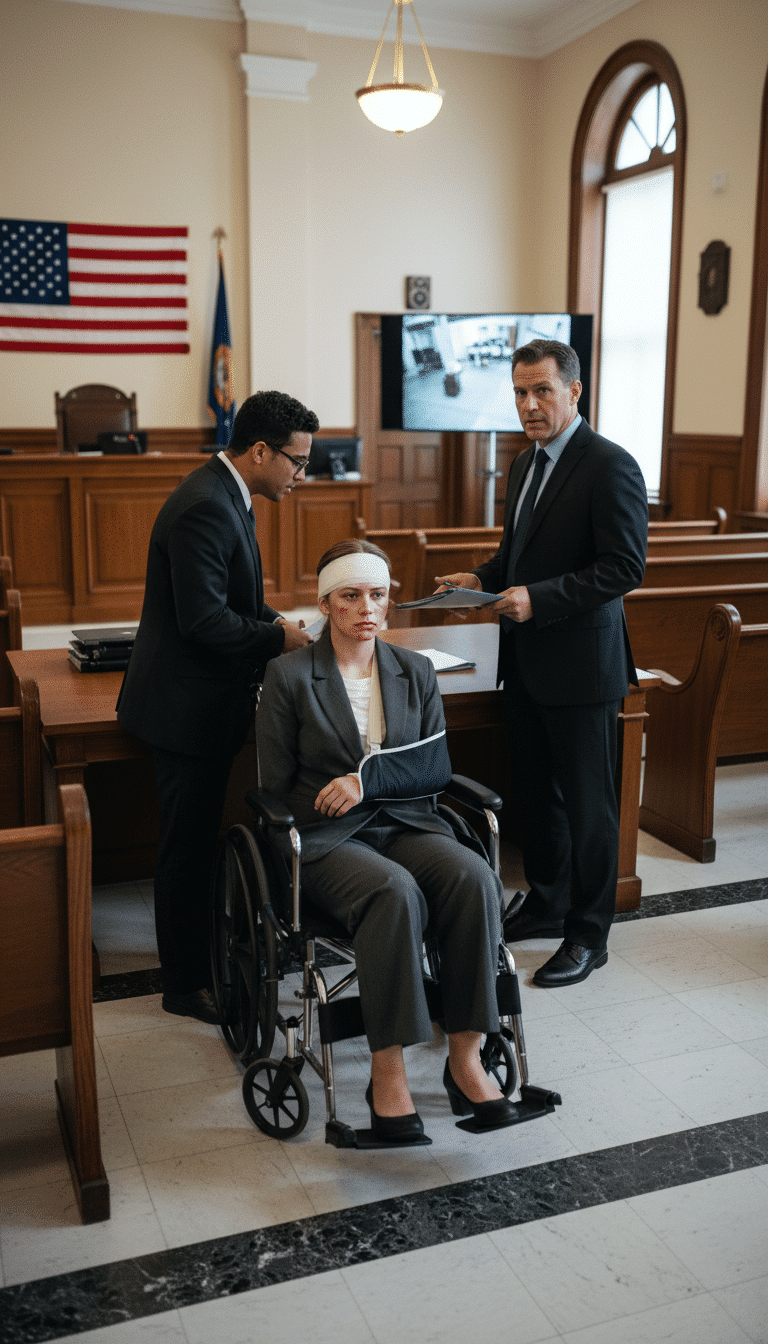
What rights do I have in Clifton after a bus accident
Right to seek compensation. If someone else’s negligence caused your injury, you can pursue damages for medical bills (past and future), lost wages and lost earning capacity, property damage, pain and suffering, mental anguish, and in some cases punitive damages if the conduct was grossly negligent.
Statute of limitations. Texas generally gives you two years from the date of the injury to file a lawsuit (Texas Civil Practice & Remedies Code §16.003). Miss it and you usually lose the right to sue entirely. Claims against government entities have much shorter notice deadlines — often six months or less.
Modified comparative fault (the “51% bar rule”). Texas reduces your recovery by your percentage of fault, and if you’re found more than 50% at fault, you recover nothing.
Right to refuse to give a recorded statement to the other party’s insurance company. You’re not obligated to, and it’s often wise not to without legal advice.
Right to your own medical care and records, and to choose your own doctor (outside of workers’ comp situations, where rules can differ).
Right to negotiate or reject settlement offers. Initial insurance offers are typically low; you’re not obligated to accept.
If it’s a car accident: Texas is an at-fault state, so the at-fault driver’s insurance is primarily liable. Minimum liability coverage is 30/60/25.
If it’s a work injury: Texas is unusual in that employers can opt out of workers’ comp. If your employer carries it, your remedies are generally limited to the WC system; if they don’t, you may be able to sue them directly.
The Texas Tough Difference
See why so many others choose McKay Law, PLLC
With over 300 five-star reviews, McKay Law, your local Personal Injury Law Firm has earned the trust and gratitude of our clients. Every case we handle is unique, and every client’s story matters. Don’t just take our word for it—hear directly from our clients about their experiences and why they confidently recommend us to others.
