

ESPAÑOL | FREE CASE EVALUATION | 1-866-335-5885 | AVAILABLE 24/7
“Texas Tough” McKay Law
Wake Village Premises Liability Attorney
Texas law requires property owners to maintain safe conditions for the people who lawfully enter their property — and when they fail to do so, innocent people get hurt. At McKay Law, we represent premises liability victims throughout Wake Village, pursuing businesses and landlords whose negligence caused serious injury. When the incident occurred at a store or business, an hotel or motel, a public area, or a someone else’s home, our dedicated attorneys are ready to pursue the compensation you deserve.
Our firm handles premises liability cases throughout Wake Village and the surrounding East Texas area, representing people harmed by unmarked dangerous conditions, uneven flooring, dark areas that hide hazards, negligent security, swimming pool accidents, improperly stacked store inventory, structural hazards, code violations that caused harm, and other failures of basic property maintenance. Armed with a thorough command of Texas premises liability law and the duty owed to invitees, licensees, and trespassers, we build cases designed to reach the owner, the tenant, and the insurer when appropriate. Premises liability law turns on specific factual questions most claimants don’t know to ask — what the owner reasonably should have discovered about the hazard often decides the case. With a history of substantial settlements and verdicts against businesses and their insurers, we push hard to help you recover fully. Let our family help yours.
Do You Have A Claim?
Wake Village Premises Liability Law Firm | McKay Law
An injury on someone else’s property can leave lasting harm in an instant. One second you’re shopping at a business, hotel, or building in Wake Village, TX, and suddenly you’re dealing with debilitating harm, mounting hospital bills, aggressive insurance adjusters, missed paychecks, and questions you never imagined having. McKay Law stands with those hurt by negligent property owners and their families throughout Texas, guiding them through every phase of the injury claim process with clarity and purpose. Whether your injury resulted from a slip and fall, a freshly mopped surface with no warning signs, defective railings, inadequate lighting, negligent security, a swimming pool accident, improperly stacked products, structural defects, cracked pavement, or dog attacks on another’s property, our attorneys carefully investigate the evidence—property records, surveillance footage, maintenance logs, prior complaints, building inspection reports, and witness accounts—to show exactly how the property owner or manager caused your injuries.
Strong legal representation requires more than courtroom experience—particularly when navigating the complexities of Texas premises liability law. At McKay Law, we understand the heavy burden a serious premises accident puts on your body, your finances, and your family’s sense of security. That’s why we pair sharp legal strategy with genuine compassion, supporting you from your first phone call through the final resolution. Property owners, businesses, and their insurers are experts at minimizing payouts, arguing the victim should have seen the danger, altering incident reports, and pointing fingers—we are equally skilled at pushing back. Our firm holds reckless landlords, management companies, tenants, and insurance carriers totally liable under Texas law, giving injured people in Wake Village, TX the outcomes and peace of mind they deserve.
Every client we represent deserves the maximum compensation the law allows—more so when premises liability injuries can cause lasting physical harm. That means demanding compensation for emergency care, ongoing medical treatment, operations and recovery, physical therapy, lost income, reduced ability to earn, pain and suffering, emotional distress, and the lasting effects of your injuries. While we oversee the investigation, negotiation, and litigation—including securing incident reports before the property owner can claim it no longer exists—you concentrate on recovery. If a reckless landlord has left you with serious injuries in Wake Village, TX, get in touch with McKay Law—we’ll fight for your rights and help you rebuild with confidence.
Understanding Premises Liability Claims in Wake Village, TX
The average person walk into stores, restaurants, apartment complexes, and office buildings daily without pausing to consider our safety. We trust that the floors are dry, the stairs are maintained, the parking lots are lit, and the management is doing its job. Most of the time, that trust is warranted. But when a property owner doesn’t keep a space safe — and someone gets hurt — the injuries that follow can be serious, and the financial fallout can be just as bad. If a loved one was injured on someone else’s property in Wake Village, TX, Texas premises liability law may give you a path to compensation — though it’s a more complicated path than many people expect.
Defining Premises Liability
Premises liability is the legal theory that holds property owners and occupiers responsible when their negligence causes injury to someone on the property. It’s a broad category, covering a lot beyond the classic slip-and-fall:
- Slip-and-fall and trip-and-fall accidents
- Injuries from defective or poorly maintained stairs, handrails, or walkways
- Falling merchandise in retail stores
- Swimming pool accidents and drownings
- Elevator and escalator injuries
- Injuries caused by inadequate security (assaults in poorly lit parking lots, apartment complex attacks, robberies at businesses)
- Dog bites on another person’s property
- Fires caused by code violations or faulty wiring
- Toxic exposure (mold, lead, carbon monoxide)
- Construction site injuries to visitors
- Porch and balcony collapses
- Parking lot injuries
The common thread is a property owner or occupier whose failure to maintain reasonable conditions contributed to the harm.
What Makes Premises Liability Cases Tricky
On the surface, premises liability might look straightforward: you got hurt on someone’s property, they’re liable. Under Texas law, these cases are more complex than most people expect, and insurance companies exploit it.
Your Legal Status Determines the Duty Owed. Texas law divides visitors into three categories — invitee, licensee, and trespasser — and the duty of care owed varies dramatically depending on which bucket you fall into. Getting this wrong can sink an otherwise strong case.
You Have to Prove the Owner Knew. In most cases, you must show the property owner knew or should have known about the dangerous condition and had a meaningful opportunity to fix it or warn you.
“Open and Obvious” Can Kill a Claim. If the hazard was plainly visible — a large puddle, an obvious crack in the sidewalk — the property owner may argue they owed no duty to warn about something any reasonable person would see and avoid.
Evidence Disappears Fast. The spill gets mopped up. The broken step gets repaired. Surveillance footage gets overwritten. The incident report — if one was written at all — gets filed somewhere. Absent prompt investigation, the case becomes your word against the business’s.
How Texas Classifies Visitors
This part of the doctrine is where many premises cases are won or lost.
Invitees. An invitee is someone on the property for the mutual benefit of themselves and the owner — most commonly a customer at a business, a hotel guest, or a tenant in an apartment complex’s common areas. Property owners owe invitees the highest duty: to use reasonable care to protect them from unreasonably dangerous conditions the owner knew or should have known about. This includes a duty to check the property for hazards.
Licensees. A licensee is someone on the property with the owner’s permission but for the licensee’s own purposes — a social guest, for instance. The owner must avoid willfully or grossly negligent conduct and must warn of known dangerous conditions the licensee is unlikely to notice.
Trespassers. Someone on the property without permission is owed the least protection. Generally, the owner only must avoid causing willful injury. There are — the most notable being the “attractive nuisance” doctrine, which can make owners liable for child trespasser injuries caused by conditions like unfenced swimming pools.
How Texas Law Governs These Claims
Premises liability claims in Wake Village, TX are shaped by the Texas Civil Practice and Remedies Code and decades of common-law doctrine. A handful of principles dominate:
The Four Elements. The plaintiff must show (1) the owner or occupier had actual or constructive knowledge of a condition on the premises, (2) the condition posed an unreasonable risk of harm, (3) the owner or occupier did not exercise reasonable care to reduce or eliminate the risk, and (4) that failure proximately caused the injury.
Actual vs. Constructive Knowledge. “Actual knowledge” means the owner knew about the hazard directly. “Constructive knowledge” means the hazard had existed long enough that a reasonable owner should have discovered it. For slip-and-falls especially, Texas courts scrutinize the “time-on-floor” question closely — the longer a hazard existed, the stronger the case for constructive knowledge.
Modified Comparative Fault. Texas applies its “51% bar rule.” If the injured person is found more than 50% at fault, recovery is barred. Below that, damages are reduced by the injured person’s percentage of fault. Property owners routinely argue the visitor wasn’t watching where they were walking — another reason experienced counsel matters.
Damage Caps. Most compensatory damages are uncapped. Punitive damages are subject to statutory limits. Claims against governmental entities (injuries at city parks, public schools, county courthouses) are governed by the Texas Tort Claims Act, which imposes damage caps and narrow notice deadlines.
Inadequate Security Cases
One of the most serious subcategories of premises liability involves inadequate security. When an apartment complex, business, hotel, or parking garage fails to take reasonable security measures — and a foreseeable crime results — the property owner can be held liable for the victim’s injuries. What courts look at include the history of crime in the area, prior incidents on the specific property, the adequacy of lighting, the presence (or absence) of security cameras and personnel, and whether the owner ignored tenant or customer complaints about safety. These cases are technical but can produce significant recoveries for survivors of violent attacks.
The Settings We See Most
After representing clients in premises cases for people across East Texas, certain settings produce injury claims over and over: grocery stores and big-box retailers with spills or falling merchandise, restaurants with wet or uneven floors, apartment complexes with broken stairs, poor lighting, or inadequate security, hotels and motels with pool, shower, and stairway hazards, parking lots with potholes, poor striping, or no lighting, convenience stores and gas stations targeted by repeat criminals, gyms with defective equipment or poor maintenance, construction sites improperly secured against public access, private homes with unfenced pools, uneven walkways, or hidden hazards, and public buildings — which bring the Tort Claims Act into play.
Building the Record
Premises cases are built on evidence that often starts disappearing the moment it’s created. The most valuable evidence includes surveillance footage (which many businesses overwrite within 7 to 30 days), incident reports filed by staff or management, photographs of the hazard at the time of injury, witness names and statements, maintenance and cleaning logs, prior complaint records, prior incident reports involving similar hazards, expert analysis from safety engineers or security consultants, medical records linking injuries to the fall or attack, and — in inadequate security cases — police reports showing the crime history at or near the property.
What makes this urgent is that most of this evidence is controlled by the property owner, and “routine” business practices destroy or discard it quickly. A preservation letter from an attorney, sent in the first days after an injury, can be the difference between having proof and losing it.
What You Can Recover
Damages in a premises liability case are designed to address both the economic and non-economic consequences of the injury. Recoverable damages typically include medical expenses (past and future), lost wages and lost earning capacity, rehabilitation and therapy costs, physical pain and suffering, mental anguish, permanent disfigurement or disability, loss of enjoyment of life, and — in cases involving egregious owner conduct — punitive damages.
Filing Deadlines
Texas generally imposes a two-year statute of limitations on premises liability claims, measured from the date of injury. Let it pass, and the right to recover is almost always gone — permanently. But watch out: injuries on property owned by a governmental entity — a city sidewalk, a county building, a public school — are governed by the Texas Tort Claims Act, which requires written notice of the claim much earlier of the injury, often within six months or less. Missing a notice deadline under the Tort Claims Act can end an otherwise strong case before it begins.
The Value of a Skilled Premises Liability Attorney
Premises cases can feel simpler than they are — until you try to navigate one. Large retailers, apartment management companies, and their insurers have defense playbooks refined over thousands of claims. They know the three visitor categories, they know the “open and obvious” defense, they know how to reframe a trip-and-fall as the customer’s own carelessness, and they know that most injured people don’t know the law. They routinely offer quick settlements before the full medical picture — including future surgeries, chronic pain management, and lost earning capacity — has come into focus.
An experienced Wake Village premises liability attorney rebalances that dynamic. The right lawyer will send preservation letters immediately to protect surveillance footage and incident reports, investigate the property’s history of similar incidents and complaints, identify every potentially liable party (owner, operator, property management company, maintenance contractor, security provider), bring in safety engineers, human factors experts, and security consultants when needed, calculate the true long-term cost of the injuries, and refuse to accept a settlement that doesn’t reflect the true value of the case.
If you or someone you are close to was injured on another party’s property in Wake Village, TX, the time to act is now. Contact an experienced premises liability attorney as soon as you can for a consultation of your case — before evidence disappears and critical deadlines slip by.
Premises Injury Attorney in Wake Village: Committed Legal Representation from Lindsey McKay
A single moment on someone else’s property can change everything. When a dangerous condition causes a serious injury, the injured individual rarely walks away the same. Medical expenses start piling in before the visible injuries fade. A quick trip becomes weeks of missed paychecks. The regular paycheck disappears while recovery drags out across weeks or months. And behind all of it is the quiet, exhausting weight of trauma that does not show up on any X-ray.
For people across Wake Village who find themselves living through this kind of sudden upheaval, the path forward often feels impossible to navigate alone. They need an advocate on their side who understands what they are facing, views them as a person instead of a case number, and is willing to fight hard for the recovery they deserve. Lindsey McKay has centered her practice on exactly this kind of client-focused advocacy, representing those injured on unsafe properties across Wake Village with a blend of genuine compassion and serious legal firepower.
Client-First Legal Representation
Plenty of law firms advertise themselves as client-focused. What really makes Lindsey McKay’s work different is how faithfully that promise plays out in reality. She approaches each case knowing that behind every injury report, medical file, and insurance letter, there is a genuine individual struggling to restore their life. Her client might be a parent anxious about caring for their family, a shopper injured while doing nothing more than buying groceries, or a senior whose calm daily life has been disrupted by an injury they never saw coming.
Rather than rushing through intake and pushing a generic strategy onto every file, McKay takes time to listen. She wants to comprehend the events, what her client has lost, and what recovery needs to look like for that particular family. Only then does she craft a legal plan tailored to those particular facts.
That client-first orientation also shapes how she communicates. Clients should never have to wonder what is happening with their case or have to track down their own lawyer for news. McKay maintains contact with clients through all parts of the case, discussing progress in simple language and seeing that all inquiries are addressed. That kind of consistent, honest dialogue creates the confidence that sustains a case across months, even years, of legal work.
The True Scope of Harm from Dangerous Property Conditions
Premises injury claims occur in many varieties. Some involve slip and falls on wet floors, spilled liquids, or unmarked hazards in stores. Others involve trips over cracked concrete, damaged stairs, or poorly kept walkways, where a breakdown in maintenance or notice results in a significant injury. Objects falling from improperly loaded shelves, insufficient security causing assaults, drownings at pools with inadequate safety features, and fires stemming from code breaches all pose their own distinct dangers. What they have in common is that the property owner or manager failed to meet their obligation to keep guests safe. Under Texas law, property owners owe varying duties to people who come onto their premises, and when those duties are breached, the results are often catastrophic.
Head injuries, spinal trauma, fractured bones, broken hips, and lasting disfigurement are common injuries suffered by premises accident victims. Falls can prove especially life-changing for older adults, frequently resulting in lasting mobility issues or even death. But the first ER invoice is seldom the final cost. Recovery frequently stretches across months or years, involving surgeries, rehabilitation, assistive equipment, home modifications, and ongoing medical care. Some patients are unable to return to their former occupations. Others can no longer manage on their own.
McKay takes the time to capture the full measure of what her clients have suffered. That means going past the initial invoices to account for future medical needs, rehabilitation costs, reduced earning potential, pain and suffering, and the wider decline in life quality. Texas law allows recovery for all of these categories of damages, but only when they are correctly recorded and submitted. Her thorough approach is designed to make sure nothing gets overlooked.
The emotional aftermath deserves the same careful attention. Anxiety about falling, apprehension in public places, depression, post-traumatic stress, and strained relationships are all common among premises liability survivors. These are not mild or supplementary harms. They are actual damages that merit actual compensation, and McKay makes sure they are adequately valued in each case she takes.
Steering Through a Complex Legal Framework
Premises liability cases in Texas are not simple. Texas law groups visitors into invitees, licensees, and trespassers, with distinct levels of legal protection for each. Winning a premises liability case typically requires demonstrating the owner had actual or constructive knowledge of the hazard, failed to correct it or warn about it, and that the negligence was the cause of the harm. Gathering evidence of how long a condition existed, whether inspections were performed, and what the owner knew demands experienced legal effort.
On the other side, property owners, companies, and their insurance carriers often respond hard. They often have investigators and defense counsel at the site within hours of an accident, striving to develop an account that makes the injured party at fault. They may claim the hazard was “open and obvious” or that the victim wasn’t paying attention. Meanwhile, injured parties are typically still hospitalized. The push to settle fast, before the full extent of injuries is known, can be overwhelming. Lowball proposals often come wrapped as generous offers.
Resisting that pressure calls for an attorney familiar with the territory. McKay is well-versed in Texas premises liability law, building codes, and industry safety standards that apply to different types of properties. She knows what surveillance footage, inspection logs, and maintenance records should show, what safety rules apply to businesses, residential complexes, lots, and common spaces, and how to prove the owner had actual or constructive knowledge of the dangerous condition. She stays current on legal developments that might affect her clients’ cases.
Her investigative process is thorough and structured. She works with safety specialists, building code experts, medical experts, and vocational specialists to create cases that survive careful inspection. Evidence gets preserved carefully, ranging from video recordings and incident documentation to inspection histories, maintenance documentation, and bystander testimony. When settlement talks work out, that groundwork pushes values upward. When a case has to go to trial, that same preparation is what wins verdicts.
A Local Attorney with Local Knowledge
Wake Village has its own blend of businesses, residential complexes, job sites, and public spaces where injuries happen. Each comes with its own applicable rules, safety standards, and common hazards. McKay’s experience in the community means she understands how community ordinances, building requirements, and nearby courts work, from hazards frequently seen in area businesses to safety problems common in local apartments and public spaces.
Local knowledge counts. So does her commitment to candid, ethical representation. McKay provides clients with truthful information about their cases, including the weaknesses. She refuses to pledge what she cannot deliver. What she offers instead is candid assessment, careful preparation, and steady effort on behalf of her clients.
Moving Quickly Matters
If you or someone in your family has been injured on another party’s property in Wake Village, the choices made in the initial days following the injury can define the whole matter. Texas imposes strict time limits on personal injury claims, and important evidence can vanish fast. Camera recordings can be erased, sometimes within just days. Hazards are quickly corrected, cleaned up, or altered. Inspection records and maintenance logs can be lost or purged. Witnesses relocate or forget specifics. Physical evidence at the scene is cleared away.
Meanwhile, the business’s team is already busy constructing their version of events. The faster you have your own counsel investigating, safeguarding evidence, and putting the responsible parties on notice, the more solid your case becomes.
Lindsey McKay offers caring, knowledgeable legal counsel to help premises liability victims comprehend their rights and evaluate their alternatives. Handling a case with real seriousness requires more than filing forms and waiting for an offer. It means championing the dignity, wellness, and financial protection of the person harmed. With McKay handling the legal fight, clients can focus on healing while she concentrates on making careless property owners and their insurance providers answer for their actions for the harm they caused.
The 6 Leading Reasons of Premises Liability Cases in Wake Village
Premises liability holds property owners accountable when their failure to maintain reasonably safe premises causes injury to visitors, customers, tenants, or guests. Whether it’s a grocery store with a wet floor, an apartment complex with broken security, or a restaurant with a poorly lit stairwell, property owners have a legal obligation to address foreseeable hazards — and when they don’t, people get hurt. Whether you’re a longtime local of Wake Village or simply visiting, understanding the most common types of premises liability claims can allow you to stay alert, protect yourself, and know what to do if you’re ever injured on someone else’s property. Here are the six most common sources of premises liability claims in Wake Village.
#1 Slip-and-Fall Accidents
Slip-and-fall accidents are the leading type of premises liability claim in Wake Village and nationwide. Wet grocery store floors, spilled drinks in restaurants, freshly mopped surfaces without warning signs, uneven sidewalks, torn carpeting, poorly lit stairwells, and icy walkways in winter all cause serious injuries every day. Older adults are especially at risk, and even a routine fall can result in broken hips, wrist fractures, concussions, or spinal injuries.
Stay safer: Wear appropriate footwear, watch for warning signs, and report hazards to property owners or managers when you spot them.
2. Inadequate Security and Negligent Security
Property owners have a legal obligation to provide appropriate security on their premises, especially in areas with known crime problems. Apartment complexes, hotels, parking garages, bars, nightclubs, and retail businesses that fail to provide adequate lighting, working locks, security cameras, or trained security personnel can be held responsible when a guest or tenant is assaulted, robbed, or otherwise harmed on the property. Negligent security claims are more and more common in Wake Village as crime patterns change and property owners fail to respond.
Protect yourself: Follow your instincts about unsafe environments, park in well-lit areas, and report broken locks, burned-out lights, or suspicious activity to management in writing.
#3 Swimming Pool Accidents
Swimming pools are one of the most strictly regulated features in premises liability law, and for good reason — drownings and near-drownings are tragically common, particularly involving young children. Apartment complexes, hotels, and private homes in Wake Village generate premises liability claims when pools lack proper fencing, self-latching gates, depth markings, working drain covers, or appropriate signage. Pools left unsupervised, improperly maintained, or accessible to unattended children create serious liability for property owners.
Protect yourself: Never leave children unattended near water, and if you manage a property with a pool, keep up with all state and local safety requirements.
#4 Falling Objects and Overhead Hazards
In retail stores, warehouses, construction sites, and even apartment complexes, falling objects cause a significant share of premises liability claims in Wake Village. Improperly stacked merchandise in big-box stores, loose ceiling tiles, poorly secured signage, falling tree limbs on poorly maintained properties, and debris from ongoing construction can all cause major head, neck, and back injuries. Property owners are responsible for inspecting their premises routinely and addressing overhead hazards before they cause harm.
Stay safer: Be aware of your surroundings in stores and under balconies or scaffolding, and avoid reaching for items on high shelves if you notice unstable stacking.
#5 Fires and Electrical Injuries
Fires caused by code violations, faulty wiring, missing smoke detectors, blocked fire exits, or inadequate sprinkler systems generate some of the most devastating premises liability claims. Apartment complexes, hotels, restaurants, and bars in Wake Village have a duty to follow fire codes, maintain electrical systems, and keep exits clear at all times. When they don’t, tenants and guests can suffer burns, smoke inhalation injuries, or worse — and property owners, management companies, and landlords can all be held responsible.
Stay safe: Test smoke detectors in rental units, know where the nearest exits are in unfamiliar buildings, and report blocked fire exits or missing safety equipment immediately.
#6 Dog Attacks on Rental and Commercial Properties
Dog attacks on rental or commercial properties can create premises liability claims against more than just the dog’s owner. Landlords who knowingly allow tenants to keep dangerous dogs, apartment complexes that fail to enforce pet policies, and businesses that allow unrestrained animals on the premises can all be held liable when someone is bitten or attacked. Wake Village has seen increasing numbers of these claims as more renters keep dogs and landlords fail to screen for known-aggressive breeds or prior bite histories.
Protect yourself: Report unrestrained or aggressive dogs on rental properties to management in writing, and if you’re bitten, document everything — the dog, the owner, any witnesses, and the property management company.
Why Premises Liability Cases Are Complex
Premises liability cases aren’t automatic wins just because someone was hurt on another person’s property. To win a claim, an injured person generally has to show that the property owner was aware of the hazard, failed to address it, and that this failure caused the injury. Texas law also categorizes visitors into invited guests, social guests, and trespassers — with different levels of duty owed to each. That makes evidence preservation essential: photos of the hazard, incident reports, witness contact information, and medical records all count in building a strong case.

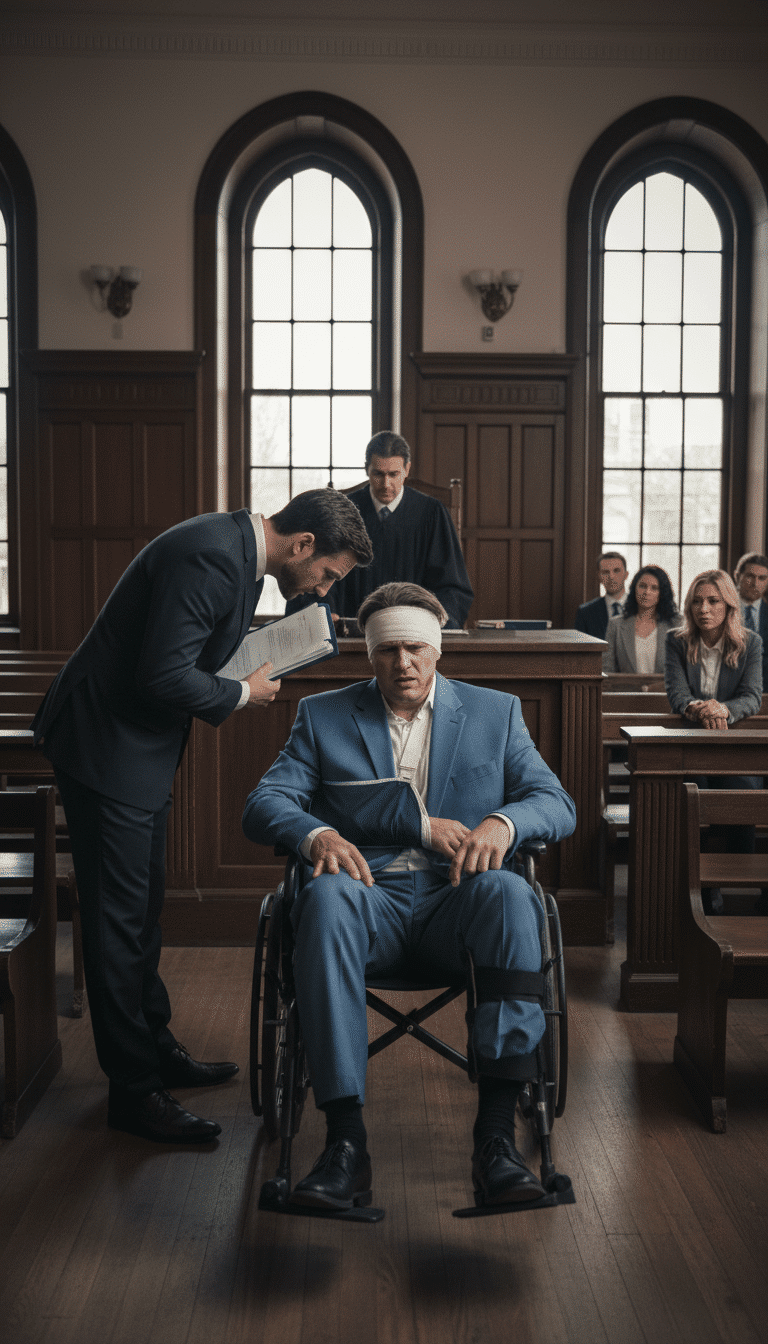
What rights do I have in Wake Village after a premises liability accident
Right to seek compensation. If someone else’s negligence caused your injury, you can pursue damages for medical bills (past and future), lost wages and lost earning capacity, property damage, pain and suffering, mental anguish, and in some cases punitive damages if the conduct was grossly negligent.
Statute of limitations. Texas generally gives you two years from the date of the injury to file a lawsuit (Texas Civil Practice & Remedies Code §16.003). Miss it and you usually lose the right to sue entirely. Claims against government entities have much shorter notice deadlines — often six months or less.
Modified comparative fault (the “51% bar rule”). Texas reduces your recovery by your percentage of fault, and if you’re found more than 50% at fault, you recover nothing.
Right to refuse to give a recorded statement to the other party’s insurance company. You’re not obligated to, and it’s often wise not to without legal advice.
Right to your own medical care and records, and to choose your own doctor (outside of workers’ comp situations, where rules can differ).
Right to negotiate or reject settlement offers. Initial insurance offers are typically low; you’re not obligated to accept.
If it’s a car accident: Texas is an at-fault state, so the at-fault driver’s insurance is primarily liable. Minimum liability coverage is 30/60/25.
If it’s a work injury: Texas is unusual in that employers can opt out of workers’ comp. If your employer carries it, your remedies are generally limited to the WC system; if they don’t, you may be able to sue them directly.
The Texas Tough Difference
See why so many others choose McKay Law, PLLC
With over 300 five-star reviews, McKay Law, your local Personal Injury Law Firm has earned the trust and gratitude of our clients. Every case we handle is unique, and every client’s story matters. Don’t just take our word for it—hear directly from our clients about their experiences and why they confidently recommend us to others.
