


ESPAÑOL | FREE CASE EVALUATION | 1-866-335-5885 | AVAILABLE 24/7
“Texas Tough” McKay Law
Tyler Motorcycle Accident Attorney
Riders know the road in a way drivers never will — and they also know that when a distracted driver causes a crash, the consequences fall hardest on them. At McKay Law, we stand up for motorcycle accident victims across Tyler, refusing to accept the assumptions that insurance companies routinely rely on against riders. Too many adjusters operate on the belief that the motorcyclist must have been doing something reckless — and we take it personally to prove otherwise. If you’re dealing with serious injuries, mounting medical bills, or the loss of someone you love, our team is prepared to take the fight to the insurance company.
Our practice is built around serious injury cases, and motorcycle wrecks are a major area of what we do in Tyler and throughout East Texas. We regularly handle claims arising from drivers who turn left across a rider’s path, blind-spot collisions, rear-end impacts at stoplights, texting and distracted driving, unmarked hazards, and drivers who flee the scene. We understand the specific legal landscape riders face in Texas — including lane-splitting questions that insurers raise to reduce your claim. On every matter we accept, we work to tell the rider’s story honestly, supported by accident reconstruction. Let our family help yours get back on the road to recovery.
Do You Have A Claim?
Tyler Motorcycle Accident Law Firm | McKay Law
A motorcycle crash can devastate a rider in a heartbeat. One moment you’re traveling through Tyler, TX, and suddenly you’re dealing with serious injuries, mounting hospital bills, aggressive insurance adjusters, time away from work, and questions you never thought you’d face. McKay Law fights for motorcycle accident victims and their families across Texas, walking them through every step of the injury claim process with clarity and purpose. Whether your collision was caused by a texting motorist who ignored your right of way, a driver turning across traffic, a speeding motorist, unsafe lane changes, poorly maintained roadways, or a impaired operator, our attorneys meticulously review the evidence—accident reports, accident reconstruction, traffic camera footage, medical records, and witness accounts—to prove exactly how the at-fault driver caused your injuries.
Strong legal representation demands more than legal knowledge—more so when pushing back on the common prejudice that insurance companies and juries often hold against bikers. At McKay Law, we appreciate the full weight a serious motorcycle crash imposes on your body, your finances, and your family’s sense of security. That’s why we pair aggressive legal tactics with real empathy, supporting you from your first conversation through the final settlement or verdict. Insurance companies are experts at painting bikers as reckless, reducing settlements, and shifting blame—we are equally skilled at pushing back and telling your side of the story. Our firm holds negligent drivers, commercial operators, and insurance carriers completely responsible, giving injured riders in Tyler, TX the outcomes and peace of mind they deserve.
Every client we represent deserves the greatest award the law allows—particularly when motorcycle accident injuries are frequently life-changing. That means seeking compensation for emergency care, long-term treatment, surgeries and rehabilitation, motorcycle repair or replacement, helmet and apparel replacement, missed wages, reduced ability to earn, permanent scarring, pain and suffering, and the long-term consequences of your injuries. While we handle the investigation, negotiation, and litigation, you stay focused on healing. If a reckless operator has thrown your life into chaos in Tyler, TX, call McKay Law—we’ll defend your rights and help you take the next step forward with confidence.
Understanding Motorcycle Accident Claims in Tyler, TX
There’s a clear reason motorcycle crashes produce some of the most severe injuries on Texas roads. A rider has no airbags around them — only a helmet, leather, and whatever distance they can put between themselves and the next careless driver. When that distance runs out, the consequences can be permanent. If you’ve been hurt in a motorcycle wreck in Tyler, TX, the way Texas law works in rider cases is something you need to understand — especially before talking to adjusters.
How Motorcycle Claims Differ From Standard Auto Cases
For anyone unfamiliar, a motorcycle accident claim can feel like a standard car crash case with a two-wheeled twist. It isn’t. Two realities make these cases a different beast entirely.
The first is physical reality. Riders absorb virtually all of a crash’s energy with their own bodies. That translates into broken bones, road rash, spinal injuries, and traumatic brain injuries at rates car occupants rarely face. Medical costs in these cases are commonly orders of magnitude higher than in a typical fender-bender.
The second is preconception. Like it or not, riders routinely encounter preconceived notions from police officers, insurance adjusters, and even jurors — that they were speeding, weaving through traffic, or otherwise responsible for their own injuries. Dismantling that narrative is sometimes as important as proving the other driver’s negligence.
Texas Law, Step by Step
Motorcycle accident claims in Tyler, TX draw from both the Texas Civil Practice and Remedies Code and the Texas Transportation Code. A few statutes are especially important in rider cases:
Negligence Is the Foundation. For a claim to succeed, you must prove that another party owed you a duty of care, broke that duty, directly caused the crash, and left you with real damages. Every motorcycle case is built on these four elements.
The 51% Rule Can Hurt — Or Help. Texas is a modified comparative fault state. Your compensation gets cut by whatever percentage of fault is assigned to you — and once you cross 50%, you recover nothing. Insurers know this full well, which is why they push hard to pin blame on the rider.
Helmets Aren’t Required for All Riders. Under Texas law, a rider over 21 may legally ride without a helmet if they carry qualifying health coverage or have completed an approved safety course. Riding without a helmet won’t automatically kill your claim, but it can complicate how damages are determined — especially in head-injury cases.
Insurance Limits Often Fall Short. Texas mandates drivers to carry minimum 30/60/25 liability coverage. Considering the severity of typical motorcycle injuries, that money disappears quickly. Uninsured and underinsured motorist coverage — yours or the at-fault driver’s — can become the key between partial and full recovery.
Damage Caps Are Limited. Most compensatory damages in Texas have no statutory ceiling. Exemplary damages do, which is yet another reason careful lawyering matters.
Looking Beyond the Obvious At-Fault Driver
The natural assumption is the case starts and ends with the other driver. In simple cases, that’s accurate. But a proper investigation frequently reveals additional parties whose negligence played a role in the crash — an employer who put a fatigued commercial driver on the road, a city or county that let a dangerous road hazard go unrepaired, a motorcycle or parts manufacturer whose product failed, or a mechanic whose shoddy work caused a mechanical breakdown at highway speed. Uncovering these parties is one of the most important things a lawyer does early in a motorcycle case.
The Real Reasons Behind Motorcycle Wrecks
After handling motorcycle cases for riders across Tyler, certain patterns emerge over and over. Left-turning drivers who never see the approaching bike. Distracted drivers buried in their phones. Lane-change collisions where a car merges into a rider without checking. Tailgating. Drivers who simply don’t notice a smaller vehicle in their blind spot. Mix in impaired drivers, speeders, and hazardous road conditions like gravel, potholes, and uneven pavement, and you have the overwhelming share of the motorcycle crashes we see.
Evidence Wins Motorcycle Cases
Because of the bias against riders, a motorcycle case rarely succeeds on testimony alone. The best outcomes come from solid documentation: photos and measurements of the crash scene, nearby surveillance and traffic-camera video, GoPro or helmet-cam footage if the rider was recording, phone records that document driver distraction, vehicle damage patterns that tell the story of impact, medical records tying every injury to the crash, and expert testimony from accident reconstructionists and medical professionals.
The difficulty: this evidence has a short shelf life. Surveillance systems overwrite video within days. Skid marks wash away with the next rain. Vehicles get repaired or totaled out. Moving quickly is critical.
The Deadline That Quietly Runs Out
Texas gives you two years from the crash date to file suit. It sounds generous — until you consider how much work goes into building a serious motorcycle case: securing evidence, locating witnesses, consulting with experts, documenting the full medical picture (which sometimes takes many months to stabilize), and potentially negotiating a settlement before litigation. Waiting until the last minute is a frequent way good cases get forfeited.
The Value of the Right Lawyer
The gap between the injured rider and the other side on day one is enormous. The insurance company already has adjusters handling the claim, defense counsel on call, and a playbook polished by practice. The rider has injuries, medical bills, and a totaled bike in a tow yard.
A skilled Tyler motorcycle accident attorney closes that gap rapidly. That means: locking down evidence before it vanishes, handling the insurance company so you don’t have to, neutralizing anti-rider bias at every turn, identifying every liable party, building the medical and economic picture of your losses from ER to rehabilitation, and refusing to let insurers shortchange you.
If a motorcycle crash in Tyler, TX has left you or someone you love hurt, the clock starts now. Call an experienced motorcycle accident attorney today to review your case — and protect the recovery you’re entitled to.
Motorcycle Injury Attorney in Tyler: Committed Legal Representation from Lindsey McKay
Just seconds on the road can upend everything. When a careless motorist overlooks a rider sharing the road, the rider seldom emerges untouched. Healthcare bills begin arriving before the wounds close. A wrecked bike waits in an impound lot collecting daily fees. Wages stop flowing while recovery drags out across weeks or months. And behind all of it is the quiet, exhausting weight of trauma that does not show up on any X-ray.
For residents throughout Tyler who are navigating this type of abrupt disruption, the journey ahead often feels unmanageable on their own. They need someone in their corner who truly comprehends what they are going through, sees them as a human being rather than a file number, and will work tirelessly for the recovery they are owed. Lindsey McKay has built her practice around exactly that kind of representation, serving motorcycle accident victims throughout Tyler with a combination of real understanding and substantial legal skill.
Representation Built Around the Client
Numerous law practices claim to be client-focused. What genuinely separates Lindsey McKay’s approach is how steadily that pledge translates into action. She approaches each case knowing that behind the accident reports, health records, and insurance communications, there is an actual person working to rebuild their life. The person sitting across from her might be a mother or father concerned about supporting their children, a passionate motorcyclist doubting whether they will ever feel safe riding again, or a retiree whose quiet routine has been shattered by a crash they never saw coming.
Instead of hurrying through client meetings and applying a one-size-fits-all approach, McKay takes time to listen. She wants to comprehend the events, the full extent of her client’s losses, and what rebuilding looks like for that particular household. Only then does she construct a legal roadmap fitted to those specific circumstances.
This client-focused mindset likewise influences her communication. Clients should never feel in the dark about their case or chase down their own lawyer for updates. McKay keeps her clients informed through every phase of the process, discussing progress in simple language and making sure questions get answered. That kind of regular, candid conversation develops the trust needed to carry a matter through months or years of litigation.
The Complete Range of Harm from a Motorcycle Accident
Motorcycle wrecks take many forms. Some involve a driver turning left without seeing the rider. Others involve tailgate collisions at red lights, where a distracted driver slams into a stopped motorcyclist with devastating consequences. Lane-change sideswipes, head-on wrecks, and collisions from road debris all pose their own distinct dangers. What they share is the vulnerability of the rider. Unlike drivers surrounded by steel, airbags, and crumple zones, motorcyclists have little between their bodies and the road, and when a collision happens, the consequences are typically severe.
Head injuries, spinal trauma, fractured bones, severe abrasions, and lasting disfigurement are among the injuries motorcycle crash victims commonly face. But the initial emergency room charge is almost never the last expense. Healing often extends for months or years, including surgeries, grafts, physical therapy, assistive devices, and continuing care. Some victims never go back to their prior jobs. Others can’t return to riding, letting go of an activity that gave their lives meaning.
McKay takes the time to document the full scope of what her clients have lost. That means reaching beyond the current charges to account for future medical needs, recovery program costs, diminished ability to earn, bodily pain and mental suffering, and the general loss of life satisfaction. Texas law allows recovery for all of these categories of damages, but only when they are correctly recorded and submitted. Her thorough approach is designed to verify that every element is captured.
The emotional aftermath deserves the same careful attention. Nervousness about returning to the road, depression, post-traumatic stress, and strained relationships are all common among motorcycle crash survivors. These are not soft or secondary injuries. They are real harms that deserve real compensation, and McKay works to ensure they are properly valued in every claim she handles.
Steering Through a Complex Legal Framework
Motorcycle accident claims carry complications that routine car wreck cases do not. Chief among them is prejudice against motorcyclists. Insurance representatives, jury members, and even some bystanders frequently assume the rider caused the crash, regardless of what the evidence actually shows. They envision high-speed maneuvers, lane weaving, or reckless conduct, even when the motorcyclist was following all the rules. Overcoming that bias takes a lawyer who understands it and knows how to counter it.
On the other side, insurance providers usually respond with force. They often have adjusters and defense attorneys developing a case targeting the rider within days, striving to develop an account that favors their insured. At the same time, those hurt are often still in the hospital. The pressure for a fast settlement, before injuries are fully understood, can be significant. Inadequate offers frequently come disguised as kindness.
Resisting that pressure calls for an attorney familiar with the territory. McKay is well-versed in Texas personal injury law and the traffic regulations that govern how drivers are supposed to share the road with motorcyclists. She knows what accident reconstruction can uncover regarding fault, what surveillance video and skid patterns can show a jury, and how to fight the unfair assumptions that commonly disadvantage bikers. She stays current on legal developments that might affect her clients’ cases.
Her investigation method is systematic. She works with accident analysis experts, motorcycle safety consultants, medical professionals, and career economists to create cases that survive careful inspection. Evidence gets preserved carefully, from skid marks and vehicle damage to traffic camera footage, dashcam recordings, and witness statements. When settlement negotiations pay off, that preparation raises the recovery amounts. When a case has to go to trial, that same preparation is what wins verdicts.
A Local Attorney with Local Knowledge
Tyler has its distinct character when it comes to two-wheeled travel. The region draws riders with its curvy backroads, picturesque routes, and long highway stretches, and the routes local riders travel every day are often shared with drivers who frequently overlook the motorcyclists near them. McKay’s understanding of the local area means she understands the unique dangers bikers confront in this area, from hazardous junctions to highway zones where inattentive driving runs rampant.
That regional awareness matters. So does her commitment to direct, ethical legal practice. McKay tells clients the truth about their cases, including the challenges. She does not make promises she cannot keep. What she offers instead is honest assessment, serious preparation, and relentless effort on her clients’ behalf.
Six Top Factors Behind Motorcycle Wrecks in Tyler
Bike accidents are among the most devastating types of collisions on the road. Given that riders lack the structural protection of a passenger vehicle, even a seemingly small crash can cause devastating injuries. Regardless of whether you’re a long-time resident of Tyler or simply riding through on one of the region’s open highways, understanding what causes most motorcycle wrecks can help you ride cautiously, stay alert, and know what to do if you’re ever caught up in one. Here are the six most common causes motorcycle accidents in Tyler.
#1 Drivers Failing to See Motorcyclists
The leading cause of motorcycle accidents in Tyler is other drivers just not seeing the rider. Left-turn collisions — where a car turns across a motorcycle’s path at an intersection — are notably deadly. Motorcycles have a smaller silhouette than cars, and drivers routinely misjudge their speed or overlook them entirely, especially in heavy traffic or poor lighting.
Protect yourself: Wear reflective gear, use your headlight at all times, and presume drivers haven’t seen you — particularly at intersections.
#2 Speeding
Speeding is still one of the most common — and most avoidable — causes of severe motorcycle crashes. On country stretches of highway around Tyler, riders frequently push well past the posted limit, cutting reaction time and making collisions far more severe when they occur. At high speeds, even a small road hazard — a pothole, a patch of gravel, a sudden stop ahead — can turn deadly.
Stay safer: Match your speed to road conditions instead of the posted limit, slow down on unfamiliar roads, and remember that curves and back roads demand extra caution.
3. Riding Under the Influence
Even with decades of public awareness campaigns, impaired riding continues to cause a substantial share of fatal motorcycle accidents in Tyler. Alcohol, prescription medications, and recreational drugs impair reaction times, affect balance, and make it harder to judge speed and distance — all of which are critical for safe riding. Motorcycles demand more coordination than cars, which makes impairment even more dangerous.
Stay safe: Line up a rideshare or designated driver if you plan to drink, and never hop on your bike if you’re not sure whether you’re okay to ride.
#4 Lane Changes and Lane Splitting
Texas does not allow lane splitting, but unsafe lane changes — by both riders and drivers — cause a significant number of motorcycle accidents every year. Drivers often fail to check blind spots before changing lanes, and motorcycles are particularly vulnerable to being sideswiped or run off the road. Riders who weave through traffic or change lanes without signaling put themselves at even higher risk.
Stay safer: Signal early, avoid blind spots whenever possible, and expect drivers won’t check before merging.
5. Road Hazards and Poor Road Conditions
What’s a small annoyance for a car can be catastrophic for a motorcycle. Potholes, loose gravel, wet leaves, oil slicks, uneven pavement, and poorly marked construction zones are common culprits behind single-vehicle motorcycle wrecks in Tyler. Rural roads outside city limits are notoriously prone to hazards that can catch a rider off guard.
Protect yourself: Scan the road ahead at all times, slow down through construction zones and unfamiliar terrain, and keep your motorcycle in good shape — particularly your tires and brakes.
#6 Weather and Visibility Conditions
Tyler riders face heavy rain, fog, sudden thunderstorms, and occasional ice that all contribute to crashes. Wet roads substantially reduce traction, and reduced visibility makes it even harder for drivers to see motorcycles. Strong crosswinds on open highway stretches can also push around a bike, most notably at highway speeds.
Protect yourself: Check the forecast before long rides, pull over in a safe spot if weather turns severe, and invest in quality rain gear and a helmet with a clear, fog-resistant visor.
The 6 Most Common Causes of Personal Injury in Tyler
Accidents occur, but some happen considerably more often than others. Whether you’re a long-time resident of Tyler or just passing through, being aware of the most common causes of personal injury can help you keep your guard up, remain safe, and know what to do if you’re ever on the wrong end. Here are the seven most common culprits behind personal injury claims in Tyler.
1. Motor Vehicle Accidents
Car crashes top the list in almost every city, and Tyler is no exception. Rear-end collisions, intersection accidents, and distracted driving incidents fill local emergency rooms on a daily basis. High-traffic corridors like I-30 and I-80 see the majority of serious wrecks, and rush hour on local roads are notorious for fender-benders. Injuries range from whiplash and soft-tissue damage to traumatic brain injuries and spinal cord trauma.
Stay safer: Leave your phone alone, leave plenty of space between vehicles, and your seatbelt on — every time.
2. Slip-and-Fall Accidents
Wet grocery store floors, icy sidewalks in winter, uneven pavement, poorly lit stairwells — slip-and-falls are the overlooked powerhouse of personal injury. They’re particularly common in Tyler’s older neighborhoods where sidewalks haven’t been repaired in decades, and in high-foot-traffic areas. Older adults are most at risk, but any person can sustain a broken hip, wrist fracture, or concussion from a nasty fall.
Stay safer: Put on proper footwear for the weather, and flag hazards to property owners so others don’t get hurt.
3. Pedestrian and Bicycle Accidents
As Tyler grows denser and more walkable, pedestrian and cyclist injuries have risen. Crosswalk collisions, “dooring” incidents (when a parked driver opens a door into a cyclist’s path), and hit-and-runs at insufficiently marked intersections are all common. Areas near local schools, universities, or bike paths tend to see the highest numbers.
Stay safer: Establish eye contact with drivers before crossing, put on reflective gear at night, and act as though you’re invisible.
4. Workplace Injuries
From construction sites to warehouses to office settings, workplace injuries are a reliable source of claims in Tyler. Falls from heights, repetitive strain injuries, equipment malfunctions, and lifting injuries are the most prevalent. Industries like construction, oil and gas, logistics, and hospitality often result in the most serious cases.
Stay safer: Understand your rights under workers’ compensation, wear protective equipment, and flag unsafe conditions without delay.
5. Dog Bites and Animal Attacks
Dog bite claims are surprisingly common in Tyler, notably in residential neighborhoods and parks. Even well-behaved dogs can snap under stress, and children are overwhelmingly victims. Injuries range from puncture wounds and infections to significant scarring and nerve damage.
Stay safer: Consult owners before petting, show kids to interact with animals calmly, and control your own pets around visitors.
6. Premises Liability (Beyond Slip-and-Falls)
Property owners have a responsibility to keep their premises reasonably safe, and when they don’t, injuries follow. Inadequate security leading to assaults, swimming pool accidents, falling objects in stores, dog attacks on rental properties, and fires caused by code violations all belong to this umbrella. Apartment complexes, bars, and retail businesses in Tyler account for the most claims.
Stay safer: Trust your instincts about unsafe environments, and document any hazards you encounter.
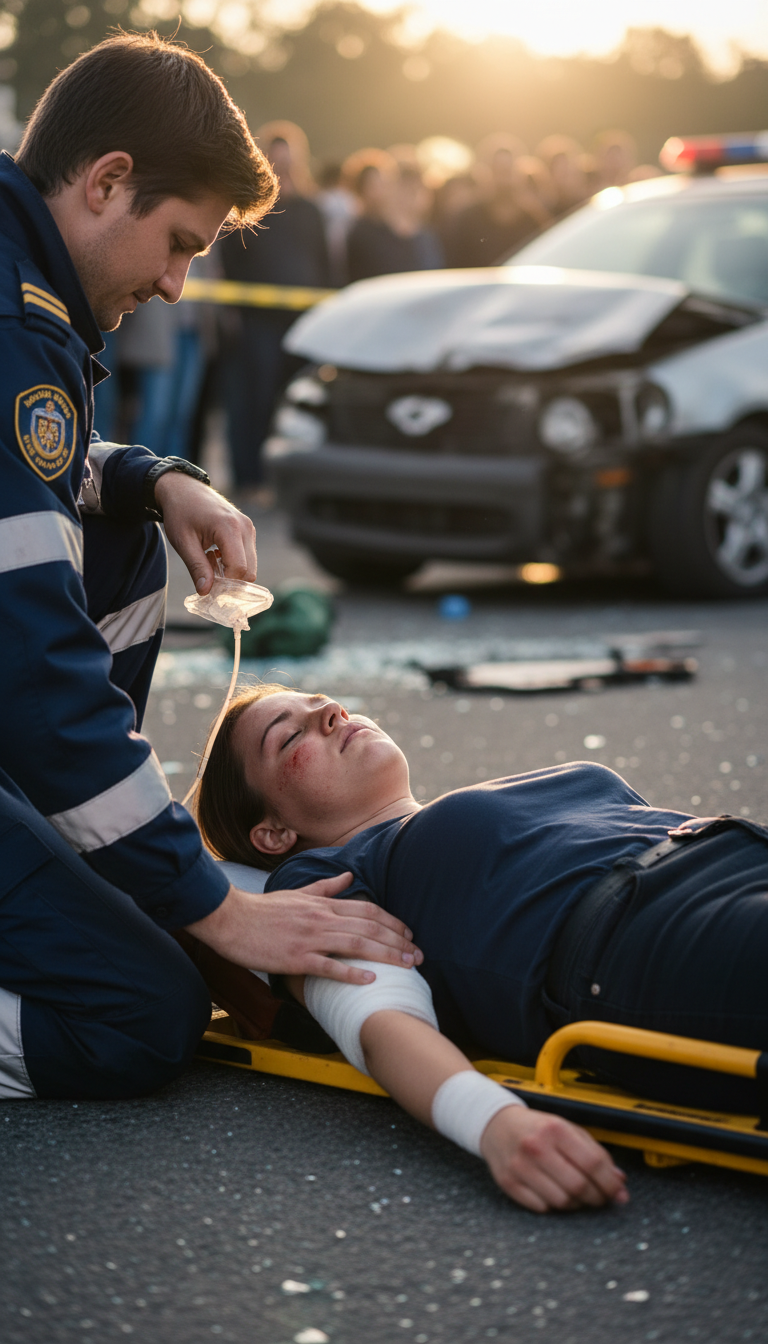
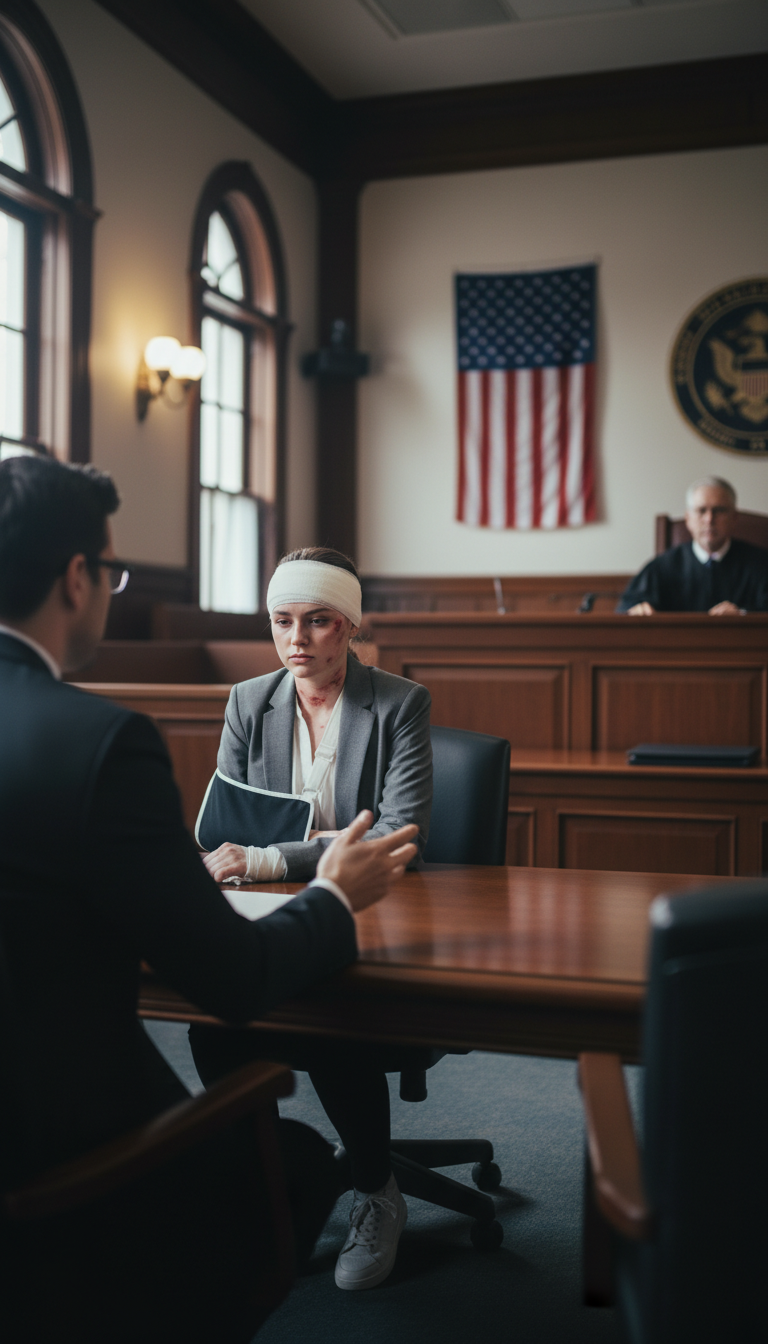
What rights do I have in Tyler after a motorcycle accident
Right to seek compensation. If someone else’s negligence caused your injury, you can pursue damages for medical bills (past and future), lost wages and lost earning capacity, property damage, pain and suffering, mental anguish, and in some cases punitive damages if the conduct was grossly negligent.
Statute of limitations. Texas generally gives you two years from the date of the injury to file a lawsuit (Texas Civil Practice & Remedies Code §16.003). Miss it and you usually lose the right to sue entirely. Claims against government entities have much shorter notice deadlines — often six months or less.
Modified comparative fault (the “51% bar rule”). Texas reduces your recovery by your percentage of fault, and if you’re found more than 50% at fault, you recover nothing.
Right to refuse to give a recorded statement to the other party’s insurance company. You’re not obligated to, and it’s often wise not to without legal advice.
Right to your own medical care and records, and to choose your own doctor (outside of workers’ comp situations, where rules can differ).
Right to negotiate or reject settlement offers. Initial insurance offers are typically low; you’re not obligated to accept.
If it’s a car accident: Texas is an at-fault state, so the at-fault driver’s insurance is primarily liable. Minimum liability coverage is 30/60/25.
If it’s a work injury: Texas is unusual in that employers can opt out of workers’ comp. If your employer carries it, your remedies are generally limited to the WC system; if they don’t, you may be able to sue them directly.
The Texas Tough Difference
See why so many others choose McKay Law, PLLC
With over 300 five-star reviews, McKay Law, your local Personal Injury Law Firm has earned the trust and gratitude of our clients. Every case we handle is unique, and every client’s story matters. Don’t just take our word for it—hear directly from our clients about their experiences and why they confidently recommend us to others.
