


ESPAÑOL | FREE CASE EVALUATION | 1-866-335-5885 | AVAILABLE 24/7
“Texas Tough” McKay Law
Wake Village Truck Accident Attorney
When an 18-wheeler slams into a passenger vehicle, the results are often catastrophic — and the path to recovery is rarely simple. At McKay Law, we advocate for truck accident victims throughout Wake Village, going up against the trucking companies, commercial insurers, and corporate defense teams who work to minimize what you’re owed. A crash with a commercial truck can leave families facing mounting medical bills while powerful companies scramble to protect themselves. Our dedicated attorneys are here to stand in your corner.
Our firm concentrates entirely on 18-wheeler and big-rig cases throughout Wake Village and the surrounding East Texas communities. We take on claims involving hours-of-service violations, shifting loads, equipment failures, cell phone use behind the wheel, jackknife wrecks, and other dangerous conduct that put innocent drivers at risk. Drawing on a thorough command of Texas law and the federal regulations governing commercial trucks, we build cases designed to hold every wrongdoer accountable. With a track record of meaningful recoveries against major trucking carriers, we work tirelessly to help you move forward — physically, emotionally, and financially. Let our family help yours.
Do You Have A Claim?
Wake Village Truck Accident Law Firm | McKay Law
A semi-truck wreck can alter your life in a single moment. In one moment you’re traveling through Wake Village, TX, and suddenly you’re confronting severe injuries, mounting hospital bills, aggressive insurance adjusters, missed paychecks, and questions you never expected to ask. McKay Law advocates for 18-wheeler crash victims and their families all over Texas, walking them through every phase of the personal injury claims process with skill and determination. Whether your wreck was caused by a fatigued trucker, an unsecured cargo load, faulty brakes, a distracted commercial driver, or a underride collision, our attorneys meticulously review the evidence—electronic logging devices, crash reports, maintenance records, accident reconstruction, and witness accounts—to show exactly how the trucking company and driver led to your injuries.
Quality legal representation takes more than legal knowledge—more so when going up against large freight corporations and their corporate lawyers. At McKay Law, we acknowledge the full weight a catastrophic commercial collision places on your body, your finances, and your family’s sense of security. That’s why we pair strong legal advocacy with heartfelt care, walking with you from your first phone call through the final resolution. Trucking companies and their insurers are experts at undervaluing claims, concealing documentation, and shifting blame—we are every bit as capable of pushing back. Our firm holds reckless commercial drivers, trucking companies, cargo loaders, and insurance carriers completely responsible, giving injured people in Wake Village, TX the results and reassurance they deserve.
Every client we represent deserves the greatest award the law allows—particularly when truck accident injuries are typically severe. That means fighting for compensation for emergency care, long-term treatment, surgeries and rehabilitation, vehicle damage, missed wages, diminished earning capacity, pain and suffering, and the lasting effects of your injuries. While we manage the investigation, negotiation, and litigation—including securing the truck’s black box before the trucking company can tamper with it—you concentrate on recovery. If a careless commercial driver or trucking company has disrupted your life in Wake Village, TX, reach out to McKay Law—we’ll defend your rights and help you move forward with confidence.
Understanding Truck Accident Claims in Wake Village, TX
Hardly anything on the road are as harrowing as a collision with a commercial truck. In mere seconds, a fully loaded 18-wheeler can reduce a routine drive into a life-changing disaster. Those involved are often left with severe injuries, stacks of medical bills, and pressing questions about who is responsible and how to rebuild. For anyone injured in a commercial truck crash in Wake Village, TX, grasping how Texas law handles these cases can make all the difference.
How Truck Accident Claims Differ From Car Crash Cases
On the surface, a truck crash might seem like any other motor vehicle accident — but legally, it is a entirely different animal. Commercial trucks are controlled by a comprehensive web of federal rules, operated by professional drivers with specialized licensing, and backed by corporate policies with far greater limits than ordinary auto insurance. Every bit of this means truck accident litigation typically will involve more parties, more evidence, and tougher resistance from insurers than a standard car crash claim.
A commercial truck can reach up to 80,000 pounds when fully loaded — roughly 20 to 30 times the weight of a typical family vehicle. When that much mass collides with a smaller vehicle, the results are almost never minor. This disparity is precisely why the legal system handles these cases so differently.
The Legal Framework in Texas
Truck accident lawsuits in Wake Village, TX fall at the crossroads of state and federal law. On the state side, the Texas Civil Practice and Remedies Code and Texas Transportation Code establish the baseline. On the federal side, the Federal Motor Carrier Safety Regulations (FMCSRs) place strict obligations on carriers and drivers engaged in interstate commerce.
Proving Negligence: Like any injury case, a truck accident claim hinges on four elements — duty, breach, causation, and damages. What makes truck cases unique is that a violation of federal safety regulations can itself act as strong evidence of negligence.
The 51% Bar Rule: Texas uses a modified comparative fault system. Provided that you are 50% or less to blame for the crash, you can still recover — though your award will be lowered by your share of fault. Cross that 50% threshold, and recovery vanishes entirely.
Insurance Minimums That Reflect the Stakes: Federal law demands that most interstate commercial trucks carry at least $750,000 in liability coverage, with $1 million or more required for hazmat loads. These larger limits exist because the damage a truck can do is seldom contained — but they also give insurers strong motivation to fight hard.
Limits on Punitive Damages: Compensatory damages for medical costs, lost income, and pain and suffering are usually not capped. Punitive damages, however, are bound by statutory limits under Texas law.
Who Might Be Held Responsible
One of the most important differences between a truck case and a car case is the range of potential defendants. Seldom is the trucker the only party at fault. Depending on how the crash occurred, liability may extend to the trucking company (for hiring, training, or supervisory failures), the owner of the trailer or cargo, the company that loaded the freight, a third-party maintenance provider, or the manufacturer of a defective truck component. Sorting out this web of potential defendants is one of the most consequential early tasks in a truck accident case — and part of why experienced legal help matters so much.
Frequent Reasons Truck Crashes Happen
In our experience representing Wake Village clients, truck crashes tend to trace back to a handful of recurring factors: driver fatigue and hours-of-service violations, distracted driving, drug or alcohol use behind the wheel, excessive speed, cargo that was loaded or secured improperly, skipped safety checks and neglected repairs, faulty brakes or worn tires, inadequate driver training, punishing delivery schedules that pressure drivers to cut corners, and “no-zone” collisions in a truck’s blind spots.
Building a Strong Evidence Record
Prevailing in a truck accident claim takes more than a police report. The strongest cases are built on a combination of: electronic logging device (ELD) records showing the driver’s hours, black box and engine control module data, dashcam and surveillance footage, driver qualification files and training records, maintenance and inspection logs, cargo and loading documentation, cell phone records, eyewitness statements, and expert analysis from accident reconstructionists, trucking safety specialists, and medical professionals.
What’s critical to know: much of this evidence is controlled by the trucking company, and a good deal of it is routinely overwritten or destroyed under standard retention policies. Getting started early is essential. An attorney can send a formal spoliation letter to force preservation of key records before they vanish.
Don’t Miss the Statute of Limitations
Texas gives you a two-year window to file a truck accident lawsuit, measured from the date of the crash. Miss that deadline, and your claim is almost certainly gone — no matter how strong it would have been. On top of that, surveillance footage gets erased, damaged trucks are repaired or scrapped, witnesses move or forget, and ELD data cycles out of retention. The sooner an investigation begins, the more complete the case you can build.
The Value of Experienced Legal Representation
Trucking companies move fast when one of their rigs is in a serious crash. Within hours, a rapid-response team — adjusters, defense attorneys, sometimes accident reconstructionists — is deployed building a case to reduce liability. Injured victims, meanwhile, are often still in the hospital.
This disparity is exactly why working with an experienced Wake Village truck accident attorney early is so important. The right lawyer will move decisively to preserve evidence, identify every potentially responsible party, bring in the experts needed to document what happened, calculate the true long-term cost of your injuries — such as future medical care and lost earning capacity — and push back against the insurance company’s efforts to minimize your claim.
If you or someone you love has been hurt in a commercial truck crash in Wake Village, TX, the most important thing you can do is act. Call an experienced truck accident attorney today for a review of your case — before critical evidence disappears and the deadline to file runs out.
Truck Accident Attorney in Wake Village: Devoted Legal Advocacy from Lindsey McKay
A brief moment on the interstate can transform a life. When a fully loaded commercial truck collides with a passenger vehicle, the people inside that smaller car rarely walk away unchanged. Medical expenses start piling in before the visible injuries fade. A destroyed car sits in a tow yard accumulating storage charges. The regular paycheck disappears while recovery stretches on for weeks or months. And behind all of it is the subtle, exhausting weight of mental anguish that does not show up on any X-ray.
For residents throughout Wake Village who are navigating this type of abrupt disruption, the path forward often feels impossible to navigate alone. They need a champion in their corner who understands what they are facing, views them as a person instead of a case number, and is willing to fight hard for the recovery they deserve. Lindsey McKay has built her practice around exactly that kind of representation, serving truck accident victims throughout Wake Village with a combination of true empathy and serious legal strength.
Client-First Legal Representation
Lots of firms market themselves as client-oriented. What really makes Lindsey McKay’s work different is how steadily that pledge translates into action. She approaches each case knowing that behind all the paperwork, medical charts, and insurance documents, there is a genuine individual struggling to restore their life. Her client might be a parent stressed about providing for their kids, a long-haul driver wondering if they will ever feel safe behind the wheel again, or a senior whose calm daily life has been disrupted by a crash they never saw coming.
Rather than rushing through intake and pushing a generic strategy onto every file, McKay takes time to listen. She wants to understand what happened, the full extent of her client’s losses, and what successful outcome means for that specific family. Only then does she develop a case approach shaped by those unique details.
That client-centered philosophy also guides her communication. Clients should never feel in the dark about their case or pursue their own attorney just to get updates. McKay stays in touch with clients throughout every step of the process, breaking down updates in straightforward terms and confirming that every question is answered. That kind of consistent, honest dialogue forms the foundation of trust that supports a case through months or years of legal proceedings.
The Real Extent of Damage in Commercial Truck Collisions
Truck crashes occur in many varieties. Some involve a tired trucker slamming into stopped cars. Some are underride accidents, where a passenger car ends up beneath the trailer with horrific outcomes. Jackknifes, overturned trucks, tire blowouts, and pileup crashes each bring their own specific hazards. What unites them is the raw physics at work. A fully loaded big rig can reach 80,000 pounds, and when that mass meets a 4,000-pound sedan, the results are often catastrophic.
Head injuries, spinal trauma, crushed extremities, internal hemorrhaging, and lasting disfigurement are common injuries suffered by truck wreck victims. But the initial emergency room bill is rarely the end of the story. Healing often extends for months or years, encompassing operations, rehab, medical equipment, home modifications, and long-term care. Some victims never go back to their prior jobs. Others can’t take part anymore in the activities that made life meaningful.
McKay takes the time to document the full scope of what her clients have lost. That means reaching beyond the current charges to factor in anticipated medical costs, rehab expenses, compromised future income, physical and emotional distress, and the overall reduction in life enjoyment. Texas law allows recovery for all of these categories of damages, but only when they are thoroughly documented and shown. Her thorough approach is designed to verify that every element is captured.
The psychological fallout warrants equal careful treatment. Driving-related fear, depression, post-traumatic stress, and strained relationships are all common among truck crash survivors. These are not mild or supplementary harms. They are real harms that deserve real compensation, and McKay fights to have them properly accounted for in every claim.
Guiding Clients Through a Complicated Legal System
Commercial truck matters are not just larger versions of standard car crash cases. They involve a completely separate legal structure, multiple potentially liable parties, and a collection of federal rules unfamiliar to most drivers. Fault in a big rig collision might rest with the driver, the trucking company that employed them, the company that loaded the cargo, the mechanics responsible for maintenance, or the manufacturer of a defective component. Frequently multiple parties share liability.
On the other side, trucking companies and their insurers usually respond with force. They often have investigators and defense counsel at the site within hours of an accident, striving to develop an account that favors their client. Meanwhile, injured people are generally still receiving medical care. The push to settle fast, before the full extent of injuries is known, can be overwhelming. Inadequate offers frequently come disguised as kindness.
Cutting through that pressure requires an attorney who understands the terrain. McKay is well-versed in Texas personal injury law and the federal motor carrier safety regulations that govern commercial trucking. She understands what driving records ought to reflect, what event data recorders can indicate about speed and braking at impact, and how hours-of-service violations can establish negligence. She stays current on legal developments that might affect her clients’ cases.
Her investigative approach is methodical. She works with accident analysis experts, trucking industry consultants, medical professionals, and career economists to build cases that hold up under scrutiny. Evidence gets preserved carefully, ranging from skid patterns and truck damage to electronic control module data, hours-of-service logs, and bystander testimony. When settlements come through, that preparation is what increases the numbers. When a case has to go to trial, that same preparation is what wins verdicts.
A Local Attorney with Local Knowledge
Wake Village has its unique patterns regarding commercial trucking. The region sits at the intersection of several major freight corridors, and the routes residents travel every day are often shared with an ongoing parade of commercial trucks moving timber, oil field supplies, agricultural goods, and interstate freight. McKay’s familiarity with the area means she understands the specific threats drivers meet locally, from perilous intersections to congested trucking routes where passenger vehicles and tractor-trailers mix at high speeds.
That regional awareness matters. So does her commitment to candid, ethical representation. McKay tells clients the truth about their cases, including the obstacles. She avoids commitments she cannot honor. What she offers instead is truthful analysis, diligent preparation, and tireless work for her clients.
6 Most Frequent Reasons 18-Wheeler Accidents in Wake Village
18-wheeler wrecks are one of the most devastating wrecks on the road. Because of the sheer size and weight difference between a commercial truck and a passenger vehicle, even a slow-speed collision can cause life-altering injuries. Regardless of whether you’re a longtime local of Wake Village or simply traveling through on one of the region’s active commercial corridors, understanding what causes most truck accidents can help you stay alert, drive safely, and know what to do if you’re ever involved in one. Here are the six most common reasons behind truck accidents in Wake Village.
1. Fatigued Driving
Long-distance drivers routinely drive for hours on strict delivery schedules, and fatigue is one of the top causes of major truck wrecks in Wake Village. Although federal Hours of Service regulations limit how long drivers can be behind the wheel, violations are common — and even drivers who follow the rules can be seriously drowsy. Fatigue slows reaction time, impairs judgment, and in the worst cases causes drivers to fall asleep at the wheel.
Stay safer: Give trucks plenty of space on highways, avoid hanging out in their blind spots, and be extra cautious during late-night and early-morning hours when fatigue peaks.
2. Distracted Truckers
Truck drivers spend long stretches alone on the road, and distractions accumulate fast — phones, dispatch devices, GPS units, eating behind the wheel, or simply zoning out on a well-known route. At highway speeds, a loaded 80,000-pound tractor-trailer can travel the length of a football field in the time it takes to check a screen. Distracted truckers cause rear-end crashes, lane-departure wrecks, and intersection collisions every day.
Protect yourself: Never merge in front of a truck assuming the driver will brake in time, and maintain a wide buffer on all sides.
3. Cargo Loading Issues
Cargo that’s overloaded, unbalanced, or poorly secured can cause a truck to tip during turns, jackknife when braking, or spill debris across the roadway. Wake Village’s role as a transit hub for oil-and-gas equipment, timber, and freight moving between Dallas and Shreveport means overloaded trucks are a real concern on local highways. Shifting cargo also increases stopping distance considerably.
Stay safer: Avoid driving immediately behind or beside trucks carrying visible loads like logs, pipes, or loose materials.
#4 Mechanical Failures
Commercial trucks endure massive wear and tear, and when trucking companies cut corners on maintenance, the results can be deadly. Brake failures, tire blowouts, steering problems, and faulty lights cause a sizable share of truck accidents in Wake Village. Federal regulations require regular inspections, but enforcement isn’t always consistent, and some carriers push trucks past safe operating limits.
Stay safer: Watch for signs of a struggling truck — swaying trailers, smoking brakes, or shredded tire treads — and give them plenty of room.
5. Driving Under the Influence
Even with strict federal regulations and random drug testing, some truck drivers still get behind the wheel impaired by alcohol, prescription medications, or stimulants used to stay awake on long runs. The combination of a enormous vehicle and impaired judgment is extremely dangerous on rural highways around Wake Village, where response times and road assistance are limited.
Stay safe: Report erratic truck driving — weaving, sudden speed changes, or ignoring traffic signals — by calling 911 or the number posted on the back of the trailer.
6. Weather and Road Conditions
East Texas weather can change rapidly, and trucks take longer to stop, are harder to steer, and are more prone to hydroplaning or jackknifing in bad conditions. Heavy rain, fog, occasional ice storms, and strong crosswinds on open highway stretches all raise truck accident risk. Poorly maintained rural roads and construction zones add extra hazards that trucks have a harder time navigating than smaller vehicles.
Protect yourself: Increase your following distance significantly in bad weather, avoid passing trucks in heavy rain or fog, and be patient in construction zones where trucks need extra room to maneuver.
The 6 Most Common Causes of Personal Injury in Wake Village
Accidents occur, but a few take place far more often than others. Whether you’re a lifelong resident of Wake Village or just traveling through, being aware of the most frequent causes of personal injury can allow you to stay alert, remain safe, and be prepared if you’re ever on the victim side. Here are the seven most common causes behind personal injury claims in Wake Village.
1. Motor Vehicle Accidents
Car crashes lead the way in virtually every city, and Wake Village is no exception. Rear-end collisions, intersection accidents, and distracted driving incidents crowd local emergency rooms every day. High-traffic corridors like I-30 and I-80 account for the majority of serious wrecks, and rush hour on local roads are notorious for fender-benders. Injuries span from whiplash and soft-tissue damage to traumatic brain injuries and spinal cord trauma.
Stay safer: Leave your phone alone, leave plenty of space between vehicles, and your seatbelt on — every time.
2. Slip-and-Fall Accidents
Wet grocery store floors, icy sidewalks in winter, uneven pavement, poorly lit stairwells — slip-and-falls are the overlooked powerhouse of personal injury. They’re notably common in Wake Village’s older neighborhoods where sidewalks have gone without resurfacing in decades, and in high-foot-traffic areas. Older adults are most at risk, but everybody can endure a broken hip, wrist fracture, or concussion from a bad fall.
Stay safer: Put on appropriate footwear for the weather, and bring attention to hazards to property owners so others don’t get hurt.
3. Pedestrian and Bicycle Accidents
As Wake Village grows denser and more walkable, pedestrian and cyclist injuries have increased. Crosswalk collisions, “dooring” incidents (when a parked driver opens a door into a cyclist’s path), and hit-and-runs at poorly marked intersections are all frequent. Areas near local schools, universities, or bike paths tend to see the highest numbers.
Stay safer: Establish eye contact with drivers before crossing, put on reflective gear at night, and assume no one sees you.
4. Workplace Injuries
From construction sites to warehouses to office settings, workplace injuries are a steady source of claims in Wake Village. Falls from heights, repetitive strain injuries, equipment malfunctions, and lifting injuries dominate. Industries like construction, oil and gas, logistics, and hospitality often result in the most serious cases.
Stay safer: Familiarize yourself with your rights under workers’ compensation, utilize protective equipment, and flag unsafe conditions immediately.
5. Dog Bites and Animal Attacks
Dog bite claims are surprisingly common in Wake Village, particularly in residential neighborhoods and parks. Even gentle dogs can lash out under stress, and children are most frequently the victims. Injuries span from puncture wounds and infections to significant scarring and nerve damage.
Stay safer: Ask owners before petting, teach kids to approach animals calmly, and restrain your own pets around visitors.
6. Premises Liability (Beyond Slip-and-Falls)
Property owners have a duty to keep their premises in safe condition, and when they don’t, injuries occur. Inadequate security leading to assaults, swimming pool accidents, falling objects in stores, dog attacks on rental properties, and fires caused by code violations all fit within this umbrella. Apartment complexes, bars, and retail businesses in Wake Village account for the most claims.
Stay safer: Follow your intuition about unsafe environments, and record any hazards you notice.
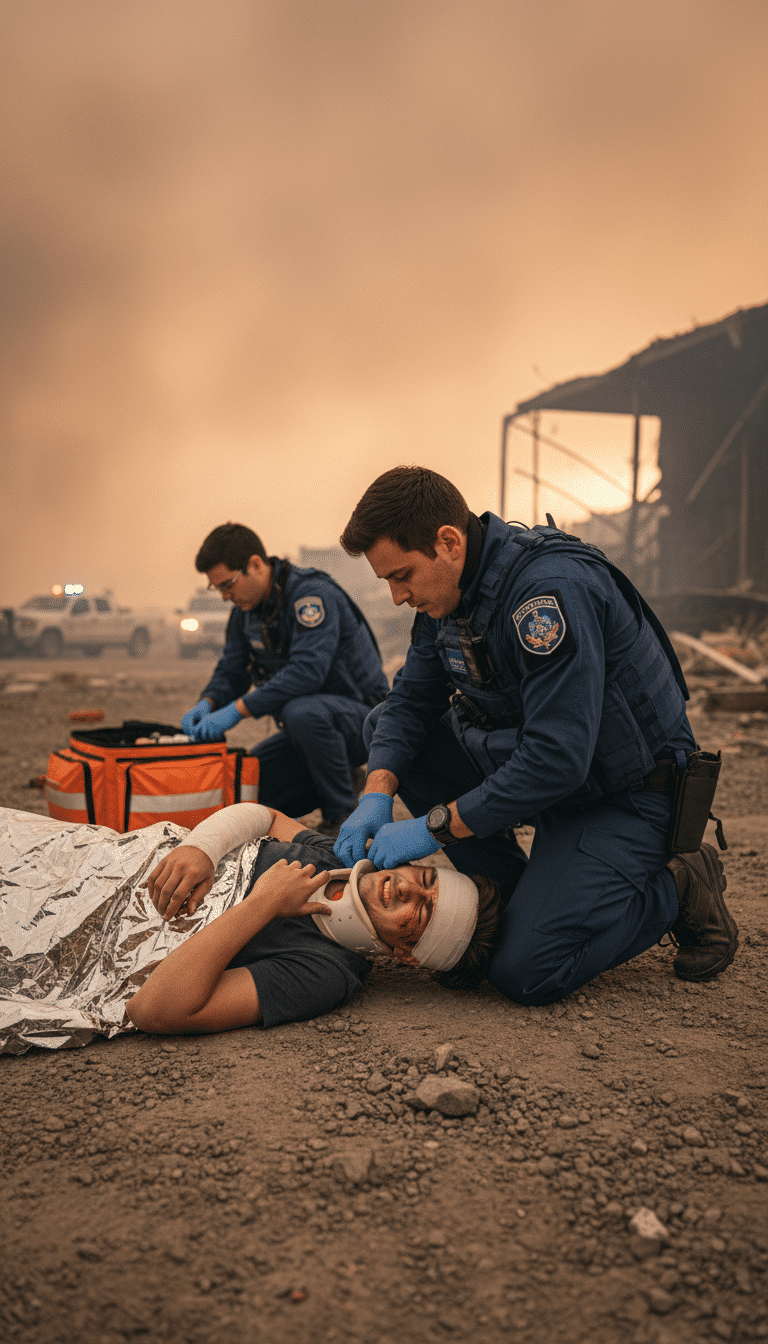

What rights do I have in Wake Village after a truck accident
Right to seek compensation. If someone else’s negligence caused your injury, you can pursue damages for medical bills (past and future), lost wages and lost earning capacity, property damage, pain and suffering, mental anguish, and in some cases punitive damages if the conduct was grossly negligent.
Statute of limitations. Texas generally gives you two years from the date of the injury to file a lawsuit (Texas Civil Practice & Remedies Code §16.003). Miss it and you usually lose the right to sue entirely. Claims against government entities have much shorter notice deadlines — often six months or less.
Modified comparative fault (the “51% bar rule”). Texas reduces your recovery by your percentage of fault, and if you’re found more than 50% at fault, you recover nothing.
Right to refuse to give a recorded statement to the other party’s insurance company. You’re not obligated to, and it’s often wise not to without legal advice.
Right to your own medical care and records, and to choose your own doctor (outside of workers’ comp situations, where rules can differ).
Right to negotiate or reject settlement offers. Initial insurance offers are typically low; you’re not obligated to accept.
If it’s a car accident: Texas is an at-fault state, so the at-fault driver’s insurance is primarily liable. Minimum liability coverage is 30/60/25.
If it’s a work injury: Texas is unusual in that employers can opt out of workers’ comp. If your employer carries it, your remedies are generally limited to the WC system; if they don’t, you may be able to sue them directly.
The Texas Tough Difference
See why so many others choose McKay Law, PLLC
With over 300 five-star reviews, McKay Law, your local Personal Injury Law Firm has earned the trust and gratitude of our clients. Every case we handle is unique, and every client’s story matters. Don’t just take our word for it—hear directly from our clients about their experiences and why they confidently recommend us to others.
