

ESPAÑOL | FREE CASE EVALUATION | 1-866-335-5885 | AVAILABLE 24/7
“Texas Tough” McKay Law
Gainesville Commercial Vehicle Accident Attorney
When a company truck crashes into a passenger car, the aftermath is rarely simple — and the path forward involves far more than a single driver. At McKay Law, we stand with commercial vehicle accident victims throughout Gainesville, going up against the companies, corporate insurers, and defense teams who work to minimize what your family is owed. Fleet vehicles, service vehicles, buses, and similar fleet vehicles share our roads every day — and when the drivers behind the wheel are overworked, innocent people pay the price. Our committed trial lawyers are here to stand in your corner.
Our firm concentrates exclusively on fleet and commercial accident cases throughout Gainesville and the surrounding East Texas communities. We pursue claims involving last-mile delivery crashes, utility vehicles, passenger transport vehicles, Uber and Lyft collisions, inattentive fleet operators, employers who ignore red flags, and other failures of commercial responsibility. Drawing on a thorough command of Texas commercial vehicle law and employer liability rules, we build cases designed to hold both the driver and the company accountable. These cases are more complex than ordinary car accidents — employer liability, corporate insurance policies, and company training protocols all come into play. With a track record of real results against companies and their insurers, we push hard to help you recover fully. Let our family help yours.
Do You Have A Claim?
Gainesville Commercial Vehicle Accident Law Firm | McKay Law
A commercial vehicle crash can change everything in a single moment. One second you’re traveling through Gainesville, TX, and suddenly you’re coping with serious injuries, mounting hospital bills, aggressive corporate insurance adjusters, missed paychecks, and questions you never expected to ask. McKay Law stands with those injured by work trucks and fleet drivers and their families across Texas, leading them through every phase of the injury claim process with skill and determination. Whether your wreck was caused by a cargo van, a work truck, a rideshare driver, a utility vehicle, an energy industry vehicle, a bus or shuttle, or a heavy equipment operator, our attorneys meticulously review the evidence—accident reports, driver logs, vehicle maintenance records, employer policies, electronic tracking records, accident reconstruction, and witness accounts—to show exactly how the at-fault driver and their employer caused your injuries.
Skilled legal counsel requires more than courtroom experience—especially when going up against commercial employers and their defense attorneys. At McKay Law, we recognize the true impact a catastrophic work truck collision places on your body, your finances, and your family’s sense of security. That’s why we match sharp legal strategy with genuine compassion, standing beside you from your first consultation through the final settlement or verdict. Commercial carriers and their insurers are practiced at undervaluing claims, hiding evidence, claiming the driver acted outside their duties, and pointing fingers—we are every bit as capable of pushing back. Our firm holds reckless employees, their employers, vehicle owners, and insurance carriers fully accountable under Texas law, giving injured people in Gainesville, TX the results and reassurance they deserve.
Every client we represent deserves the fullest recovery the law allows—more so when commercial vehicle accident injuries can be life-changing. That means seeking compensation for emergency care, continuing medical care, operations and recovery, vehicle damage, missed wages, reduced ability to earn, pain and suffering, and the lasting effects of your injuries. While we take care of the investigation, negotiation, and litigation—including preserving critical evidence before the company can destroy or alter it—you stay focused on healing. If a careless company employee or the business behind them has disrupted your life in Gainesville, TX, contact McKay Law—we’ll protect your rights and help you move forward with confidence.
Understanding Commercial Vehicle Accident Claims in Gainesville, TX
A crash involving a commercial vehicle is almost never a routine accident. Be it a delivery van, a box truck, a company pickup, a bucket truck, a cement mixer, or a fleet sedan, the vehicles businesses put on the road are often larger, heavier, and on tighter schedules than the cars around them. When one of these vehicles causes a crash, the damage are usually severe — and the legal case that follows is much more involved than a standard auto claim. For people hurt by a commercial vehicle in Gainesville, TX, knowing how Texas law approaches these cases is the first step toward meaningful recovery.
The Scope of Commercial Vehicle Cases
A commercial vehicle is essentially any vehicle operated for business purposes — not just 18-wheelers. That category includes delivery vans (Amazon, FedEx, UPS, USPS contractors), utility trucks driven by plumbers, electricians, HVAC technicians, and landscapers, company-owned pickups and SUVs, passenger vans and shuttles, rideshare and taxi vehicles, garbage and recycling trucks, tow trucks, construction equipment operated on public roads, and fleet vehicles of every variety.
What unites them is that the driver is on the clock, which opens further avenues of liability going beyond the driver alone.
How These Cases Differ From Standard Auto Claims
On the surface, a commercial vehicle crash might look like any other fender-bender. Legally speaking, these cases live in a very different world.
Employer Liability Is in Play. Under the doctrine of respondeat superior, an employer is typically liable for the negligent acts of an employee acting within the scope of employment. That means the company behind the vehicle — not just the driver — can be held liable.
The Insurance Is Different — and Bigger. Commercial auto policies carry significantly higher limits than personal auto policies, often $1 million or more. Higher limits mean higher stakes, which means insurers resist more aggressively.
More Defendants, More Evidence. These cases often involve multiple liable parties, electronic data from fleet telematics, GPS and driver-monitoring systems, company policies and training records, maintenance logs, and employment records. Uncovering all of it requires experience and speed.
Corporate Rapid-Response Teams. Many commercial operators have investigators and defense counsel ready to deploy within hours of a serious crash. By the time an injured person leaves the emergency room, the other side has already begun building its case.
The Legal Framework in Texas
Commercial vehicle accident claims in Gainesville, TX are governed by several layers of state law, federal regulations (for certain commercial operators), and long-standing common-law principles. Key provisions include:
Negligence Basics. You must show the driver owed a duty of care, breached that duty, directly caused the crash, and left you with real damages.
Respondeat Superior and Direct Employer Negligence. Beyond vicarious liability, companies can face direct negligence claims for negligent hiring, negligent supervision, negligent training, or negligent entrustment — powerful theories when a driver had a history the employer should have caught before putting them behind the wheel.
Modified Comparative Fault. Texas applies a “51% bar rule.” If you are 50% or less at fault, you can recover, but your award is reduced by your share of fault. Cross that threshold, and recovery is lost. Commercial defendants regularly try to place blame on the injured party.
Commercial Insurance Requirements. Coverage requirements vary by vehicle type. Federal regulations require interstate motor carriers to carry at least $750,000 in liability coverage (or more for hazardous materials), while intrastate commercial vehicles, delivery services, and other business drivers face their own Texas-specific minimums that typically exceed the 30/60/25 required of personal drivers.
Damage Caps. Most compensatory damages in Texas commercial vehicle cases are uncapped. Punitive damages are subject to statutory limits, and certain categories of defendants (such as governmental entities in a municipal vehicle crash) face additional statutory caps under the Texas Tort Claims Act.
Sorting Out Who’s At Fault
One of the biggest differences between a private car crash and a commercial vehicle case is the range of potential defendants. Depending on how the crash unfolded, liability may extend to the driver, the employer or company that owns the vehicle, a parent corporation, a staffing or logistics company that placed the driver with the employer, a third-party maintenance or repair provider, the manufacturer of a defective vehicle part, a cargo loader, or even a government entity responsible for the roadway. Uncovering every potentially liable party is one of the most valuable things an experienced attorney does early in the case.
Why These Crashes Happen
Commercial vehicle crashes in Gainesville, TX typically trace back to a recurring set of factors: aggressive delivery schedules that push drivers past safe limits, distracted driving (including GPS and in-vehicle tablets), inadequate driver training, failure to inspect or maintain the vehicle, driver fatigue and overlong shifts, improper loading or securing of cargo and tools, excessive speed, tailgating and unsafe lane changes, impaired driving, and corporate policies that emphasize speed over safety.
Building the Record
Strong commercial vehicle cases are built on evidence that often sits in the hands of the defendant employer — which is why prompt action matters so much. The most powerful evidence includes GPS and telematics data, dashcam and in-cab camera footage, fleet maintenance and inspection records, driver training and disciplinary files, hiring records and background checks, dispatch logs and delivery schedules, cell phone records, crash scene photographs, surveillance footage from nearby businesses, eyewitness statements, and qualified analysis from accident reconstructionists, fleet safety experts, and medical professionals.
What makes this urgent: much of this evidence is routinely overwritten, deleted, or discarded under company retention policies. An experienced attorney can send a spoliation letter immediately to force the company to preserve it before it’s gone.
The Two-Year Deadline
Texas gives you two years from the date of the crash to file a commercial vehicle accident lawsuit. Let it pass, and your claim is almost certainly over, regardless of how strong it might have been. Note that cases involving governmental entities — a city garbage truck, a county vehicle, a public transit crash — often carry much shorter notice deadlines under the Texas Tort Claims Act, sometimes as short as six months. Missing those notice requirements can end a case from the start.
The Value of Experienced Legal Counsel
From the second a commercial vehicle is involved in a serious crash, the balance of power tilts sharply toward the company. They have adjusters, defense attorneys, risk managers, and sometimes accident reconstructionists working the case within hours. The injured person has medical bills piling up and a phone ringing with adjusters pressing for a quick statement.
An experienced Gainesville commercial vehicle accident attorney closes that gap. That means: preserving evidence before it disappears, pursuing every layer of liability — driver, employer, contractor, manufacturer — dealing with the insurance company so you don’t have to, bringing in the appropriate experts to reconstruct the crash, documenting the true long-term cost of your injuries including future medical care and lost earning capacity, and refusing to let the company’s insurer close the case with a lowball settlement.
If you or someone you care about has been hurt in a crash with a commercial vehicle in Gainesville, TX, every day counts. Contact an experienced commercial vehicle accident attorney right away to review your case — before key evidence disappears and the deadline to file runs out.
Commercial Vehicle Crash Attorney in Gainesville: Focused Legal Support from Lindsey McKay
One instant on the highway can alter everything. When a commercial vehicle collides with a passenger car, those riding in the passenger car rarely escape without lasting effects. Hospital invoices begin showing up before the bruises heal. A wrecked vehicle waits in an impound lot collecting daily fees. Wages stop flowing while recovery continues for weeks or even months. And behind all of it is the unspoken, wearying load of psychological trauma that does not show up on any X-ray.
For people across Gainesville who find themselves living through this kind of sudden upheaval, the path forward often feels impossible to navigate alone. They deserve someone fighting for them who understands what they are facing, regards them as an individual rather than a docket entry, and is ready to fight aggressively for the outcome they deserve. Lindsey McKay has centered her practice on exactly this kind of client-focused advocacy, representing those injured by commercial vehicles across Gainesville with a blend of genuine compassion and serious legal firepower.
Representation That Starts with the Client
Plenty of law firms advertise themselves as client-focused. What really makes Lindsey McKay’s work different is how reliably that commitment shows up in daily work. She approaches each case knowing that behind all the paperwork, medical charts, and insurance documents, there is a real person laboring to piece their life back together. The person in her office could be a parent worried about providing for their kids, a worker wondering if they will ever be able to return to their job, or a retiree whose tranquil routine has been broken by a crash they never saw coming.
Rather than racing through intake meetings and forcing a standard plan onto every matter, McKay takes time to listen. She wants to grasp what occurred, the full extent of her client’s losses, and what successful outcome means for that specific family. Only then does she construct a legal roadmap fitted to those specific circumstances.
That client-centered philosophy also guides her communication. Clients should never feel in the dark about their case or pursue their own attorney just to get updates. McKay keeps her clients informed through every phase of the process, discussing progress in simple language and seeing that all inquiries are addressed. That kind of steady, truthful communication develops the trust needed to carry a matter through months or years of litigation.
The Full Impact of a Commercial Vehicle Wreck
Commercial vehicle wrecks take many forms. Some occur when delivery vans push through streets trying to stay on schedule. Some are box truck, utility vehicle, or work truck crashes involving neglected maintenance or excess weight, where an equipment breakdown or operator mistake results in a major collision. Company cars, rideshare vehicles, taxis, and shuttle buses all pose their own distinct dangers. Their common feature is that responsibility usually extends past the individual behind the wheel. When a driver is performing job duties in a vehicle owned or controlled by a business, that business can often be held liable for the results, and when a collision happens, the outcomes are frequently devastating.
Traumatic brain injuries, spinal cord damage, broken bones, internal injuries, and permanent disfigurement are among the injuries commercial vehicle crash victims commonly face. But the first ER invoice is seldom the final cost. Healing often extends for months or years, involving surgeries, rehabilitation, assistive equipment, home modifications, and ongoing medical care. Some patients are unable to return to their former occupations. Others can’t take part anymore in the activities that made life meaningful.
McKay takes the time to document the full scope of what her clients have lost. That means considering more than just current expenses to account for future medical needs, rehabilitation costs, lost earning capacity, hurt and anguish, and the general loss of life satisfaction. Texas law allows recovery for all of these categories of damages, but only when they are thoroughly documented and shown. Her thorough approach is designed to guarantee no detail is forgotten.
The mental consequences deserve the same diligent focus. Fear of getting back on the road, depression, post-traumatic stress, and strained relationships are all common among commercial vehicle crash survivors. These are not minor or lesser injuries. They are genuine injuries that warrant genuine recovery, and McKay strives to see them fairly valued in every matter she manages.
Steering Through a Complex Legal Framework
Commercial vehicle matters are not just larger versions of standard car crash cases. They involve an entirely distinct legal landscape, multiple potentially liable parties, and layers of corporate insurance and employer responsibility that most drivers have never encountered. Responsibility in a commercial vehicle wreck might rest with the driver, the employing company, the fleet operator, the service provider, or the component maker. Sometimes multiple of these parties bear responsibility together.
On the other side, employers and their insurance carriers often respond hard. They often have investigators and defense lawyers on the scene within hours of a crash, working to craft a version of events that helps their client. At the same time, those hurt are often still in the hospital. The pressure to settle quickly, before anyone really knows how badly they have been hurt, can be intense. Undervalued settlements often appear cloaked as generous.
Cutting through that pressure requires an attorney who understands the terrain. McKay is well-versed in Texas personal injury law and the employer liability doctrines that govern commercial vehicle claims. She is familiar with what company upkeep documentation should contain, what employment files and training history can show about negligent employment practices, and how employer procedures can be used to demonstrate company fault. She stays current on legal developments that might affect her clients’ cases.
Her investigation method is systematic. She works with crash reconstruction experts, industry authorities, healthcare providers, and employment economists to develop claims that endure close review. Evidence gets preserved carefully, spanning tire marks, vehicle damage, GPS data, dashcam recordings, driver schedules, and witness reports. When settlement negotiations succeed, that preparation is what drives the numbers higher. When a case has to go to trial, that same preparation is what wins verdicts.
A Hometown Lawyer with Firsthand Local Knowledge
Gainesville has its distinct character when it comes to commercial road use. The region sees constant traffic from delivery trucks, utility vehicles, service vans, construction trucks, and company fleets, and the roads local drivers use every day are often shared with commercial drivers facing tight delivery windows and heavy routes. McKay’s experience in the community means she understands the specific threats drivers meet locally, from perilous intersections to congested commercial thoroughfares where passenger vehicles and work vehicles mix at high speeds.
That local knowledge matters. So does her commitment to candid, ethical representation. McKay provides clients with truthful information about their cases, including the weaknesses. She does not guarantee outcomes she cannot ensure. What she offers instead is candid assessment, careful preparation, and steady effort on behalf of her clients.
Six Leading Factors Behind Commercial Vehicle Wrecks in Gainesville
Commercial vehicle wrecks are among the most complicated types of collisions on the road. Because commercial vehicles — including delivery trucks, box trucks, company vans, buses, dump trucks, and utility vehicles — are frequently larger, heavier, and driven by employees under strict schedules, the injuries they cause can be life-altering. Regardless of whether you’re a long-time local of Gainesville or simply traveling through on one of the region’s busy commercial corridors, knowing what causes most commercial vehicle accidents can help you stay alert, drive defensively, and know what to do if you’re ever caught up in one. Here are the six most common reasons behind commercial vehicle accidents in Gainesville.
1. Fatigued Commercial Drivers
Commercial drivers frequently operate under aggressive delivery schedules that push them to their limits. Regardless of whether it’s a delivery driver racing to hit route quotas, a box truck operator making multiple stops, or a company van driver covering a wide service area, fatigue is one of the top causes of major commercial vehicle wrecks in Gainesville. Fatigue slows reaction time, clouds judgment, and in the worst cases causes drivers to fall asleep at the wheel.
Protect yourself: Allow commercial vehicles plenty of space on highways, avoid lingering in their blind spots, and be particularly cautious during early-morning and late-night hours when fatigue peaks.
#2 Driver Distraction
Commercial drivers juggle phones, dispatch devices, route apps, GPS units, delivery manifests, and two-way radios — all while navigating heavy streets. Every glance at a screen pulls their attention off the road, and at highway speeds, a large commercial vehicle can travel hundreds of feet in just a few seconds. Distracted commercial drivers cause rear-end crashes, lane-departure wrecks, and intersection collisions every day in Gainesville.
Stay safe: Never pull in front of a commercial vehicle assuming the driver will brake in time, and maintain a large buffer on all sides.
3. Inadequate Driver Training
Not every commercial driver receives the preparation they need before hitting the road. Some companies cut corners on training to get drivers on the road faster, and less established commercial operations may skip formal instruction altogether. Poorly trained drivers commonly misjudge turning radiuses, underestimate stopping distances, struggle with blind spots, and fail to properly manage cargo — all of which can lead to serious accidents.
Protect yourself: Watch for warning signs of an inexperienced driver — wide turns, sudden braking, or uneven lane positioning — and back off when you spot them.
#4 Mechanical Failures
Commercial vehicles endure heavy daily wear and tear, and when companies cut corners on maintenance, the results can be devastating. Brake failures, tire blowouts, steering problems, faulty lights, and worn-out suspension components cause a substantial share of commercial vehicle accidents in Gainesville. Federal and state regulations call for regular inspections, but enforcement isn’t always thorough, and some fleet operators push vehicles past safe operating limits.
Stay safe: Watch for signs of a struggling commercial vehicle — swaying trailers, smoking brakes, or shredded tire treads — and give them plenty of room.
5. Improperly Loaded or Overloaded Cargo
Cargo that’s overloaded, unbalanced, or inadequately secured can cause a commercial vehicle to tip during turns, jackknife when braking, or spill debris across the roadway. From delivery trucks carrying stacked packages to utility vehicles hauling equipment to dump trucks carrying construction materials, improperly loaded cargo is a real concern on Gainesville roads. Shifting cargo also increases stopping distance substantially and can throw off a driver’s ability to control the vehicle.
Stay safer: Avoid driving right behind or beside commercial vehicles carrying visible loads like equipment, construction materials, or loose cargo.
6. Impaired Commercial Drivers
Even with federal regulations and random drug testing requirements for many commercial drivers, some still get behind the wheel impaired by alcohol, prescription medications, or stimulants used to stay alert on long shifts. The combination of a powerful vehicle and impaired judgment is particularly dangerous on rural highways and busy streets around Gainesville, where a single mistake can turn deadly.
Protect yourself: Report erratic commercial vehicle driving — weaving, sudden speed changes, or ignoring traffic signals — by calling 911 or the number posted on the back of the vehicle.
What Makes Commercial Vehicle Cases Complex
Commercial vehicle accident claims are almost never as cut-and-dry as typical car accident cases. Multiple parties may share liability — the driver, the employer, the company that loaded the cargo, the maintenance contractor, or even the vehicle manufacturer. FMCSA regulations may also apply depending on the vehicle type. That complexity typically means more potential sources of compensation, but it also requires a thorough investigation to identify every responsible party.
The 6 Most Common Causes of Personal Injury in Gainesville
Accidents occur, but some happen considerably more often than others. Whether you’re a lifelong resident of Gainesville or just traveling through, understanding the most frequent causes of personal injury can allow you to stay alert, remain safe, and understand your options if you’re ever on the receiving end. Here are the seven most common causes behind personal injury claims in Gainesville.
1. Motor Vehicle Accidents
Car crashes top the list in nearly every city, and Gainesville is no exception. Rear-end collisions, intersection accidents, and distracted driving incidents fill local emergency rooms on a daily basis. High-traffic corridors like I-30 and I-80 account for the greatest share of serious wrecks, and rush hour on local roads is infamous for fender-benders. Injuries range from whiplash and soft-tissue damage to traumatic brain injuries and spinal cord trauma.
Stay safer: Leave your phone alone, your following distance generous, and your seatbelt on — every time.
2. Slip-and-Fall Accidents
Wet grocery store floors, icy sidewalks in winter, uneven pavement, poorly lit stairwells — slip-and-falls are the quiet giants of personal injury. They’re particularly common in Gainesville’s older neighborhoods where sidewalks haven’t been repaired in decades, and in high-foot-traffic areas. Older adults are most at risk, but everybody can endure a broken hip, wrist fracture, or concussion from a nasty fall.
Stay safer: Wear appropriate footwear for the weather, and report hazards to property owners so others don’t get hurt.
3. Pedestrian and Bicycle Accidents
As Gainesville grows denser and more walkable, pedestrian and cyclist injuries have increased. Crosswalk collisions, “dooring” incidents (when a parked driver opens a door into a cyclist’s path), and hit-and-runs at poorly marked intersections are all common. Areas near local schools, universities, or bike paths tend to see the highest numbers.
Stay safer: Look directly at drivers before crossing, put on reflective gear at night, and presume drivers haven’t noticed you.
4. Workplace Injuries
From construction sites to warehouses to office settings, workplace injuries are a steady source of claims in Gainesville. Falls from heights, repetitive strain injuries, equipment malfunctions, and lifting injuries are the most prevalent. Industries like construction, oil and gas, logistics, and hospitality tend to generate the most serious cases.
Stay safer: Understand your rights under workers’ compensation, utilize protective equipment, and report unsafe conditions right away.
5. Dog Bites and Animal Attacks
Dog bite claims are remarkably common in Gainesville, particularly in residential neighborhoods and parks. Even gentle dogs can become aggressive under stress, and children are overwhelmingly victims. Injuries range from puncture wounds and infections to severe scarring and nerve damage.
Stay safer: Consult owners before petting, show kids to interact with animals calmly, and restrain your own pets around visitors.
6. Premises Liability (Beyond Slip-and-Falls)
Property owners have a legal obligation to keep their premises reasonably safe, and when they don’t, injuries follow. Inadequate security leading to assaults, swimming pool accidents, falling objects in stores, dog attacks on rental properties, and fires caused by code violations all belong to this umbrella. Apartment complexes, bars, and retail businesses in Gainesville see the most claims.
Stay safer: Trust your instincts about unsafe environments, and photograph any hazards you encounter.
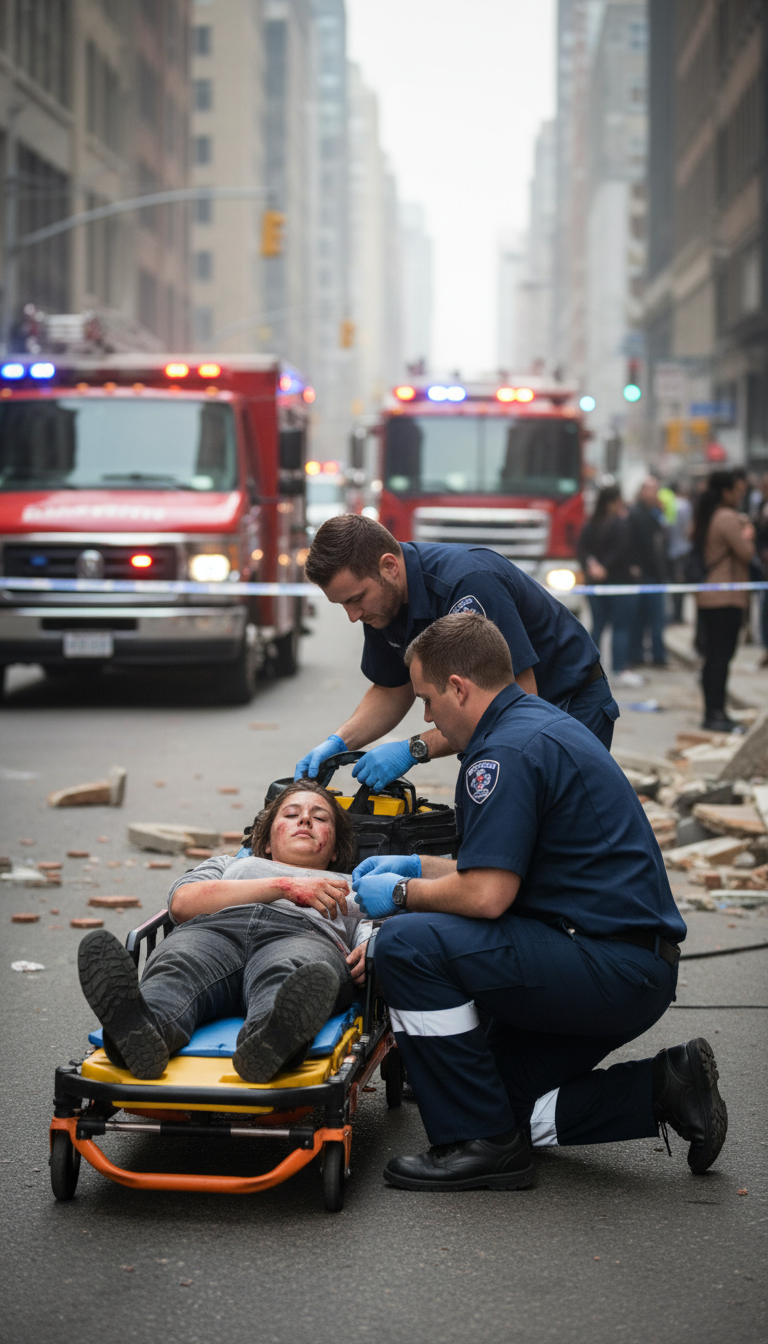
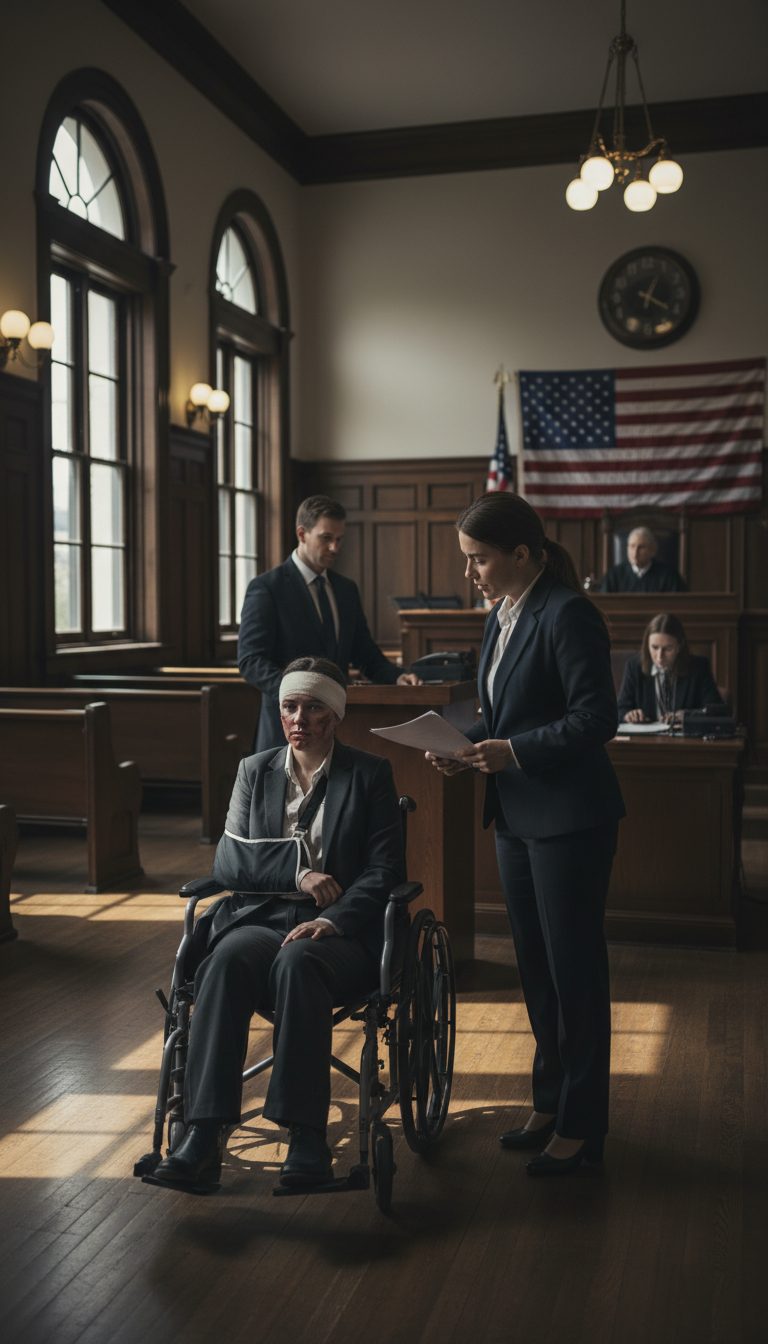
What rights do I have in Gainesville after a commercial vehicle accident
Right to seek compensation. If someone else’s negligence caused your injury, you can pursue damages for medical bills (past and future), lost wages and lost earning capacity, property damage, pain and suffering, mental anguish, and in some cases punitive damages if the conduct was grossly negligent.
Statute of limitations. Texas generally gives you two years from the date of the injury to file a lawsuit (Texas Civil Practice & Remedies Code §16.003). Miss it and you usually lose the right to sue entirely. Claims against government entities have much shorter notice deadlines — often six months or less.
Modified comparative fault (the “51% bar rule”). Texas reduces your recovery by your percentage of fault, and if you’re found more than 50% at fault, you recover nothing.
Right to refuse to give a recorded statement to the other party’s insurance company. You’re not obligated to, and it’s often wise not to without legal advice.
Right to your own medical care and records, and to choose your own doctor (outside of workers’ comp situations, where rules can differ).
Right to negotiate or reject settlement offers. Initial insurance offers are typically low; you’re not obligated to accept.
If it’s a car accident: Texas is an at-fault state, so the at-fault driver’s insurance is primarily liable. Minimum liability coverage is 30/60/25.
If it’s a work injury: Texas is unusual in that employers can opt out of workers’ comp. If your employer carries it, your remedies are generally limited to the WC system; if they don’t, you may be able to sue them directly.
The Texas Tough Difference
See why so many others choose McKay Law, PLLC
With over 300 five-star reviews, McKay Law, your local Personal Injury Law Firm has earned the trust and gratitude of our clients. Every case we handle is unique, and every client’s story matters. Don’t just take our word for it—hear directly from our clients about their experiences and why they confidently recommend us to others.
