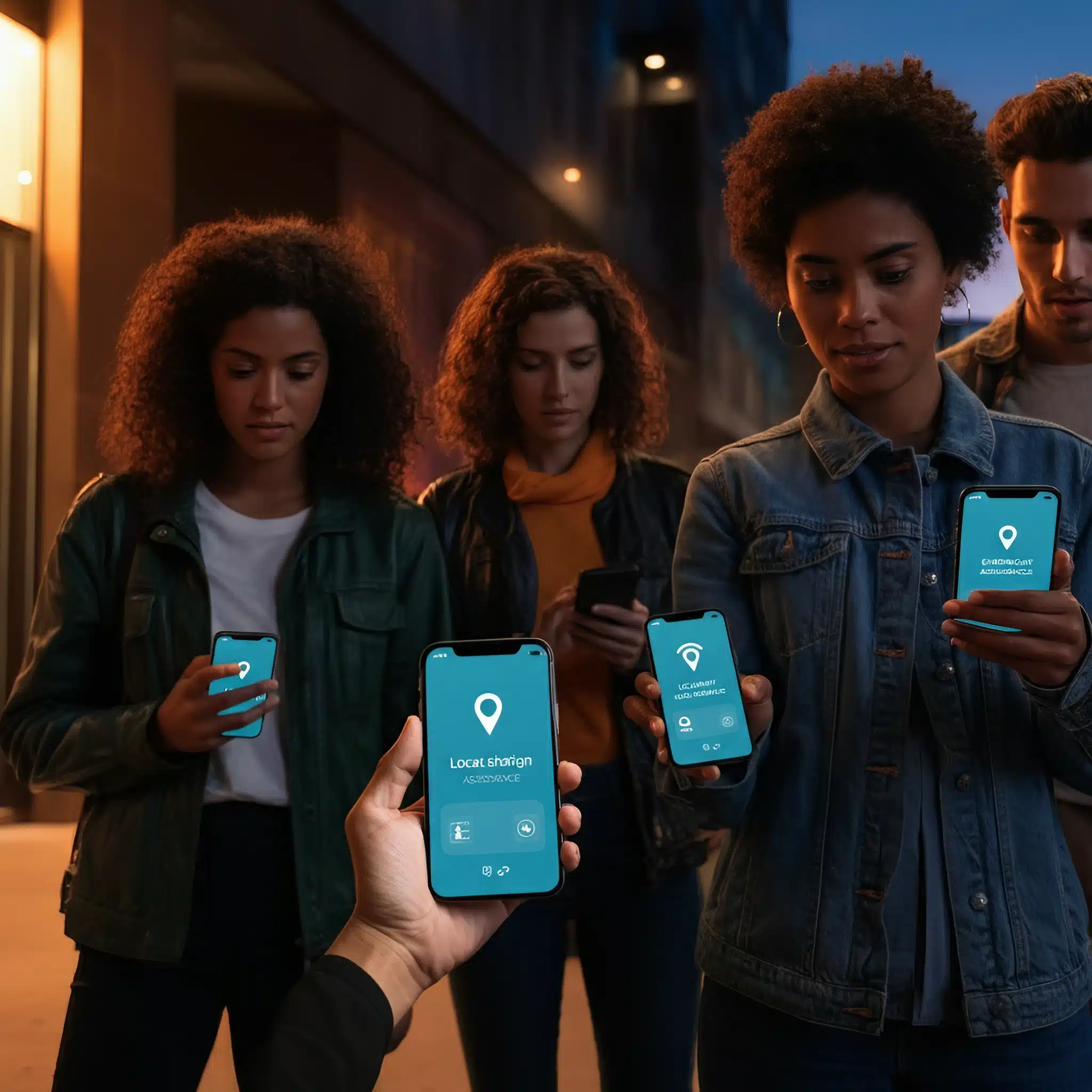
Rideshare services like Lyft and Uber have redefined how we travel, offering convenience and affordable transportation at the tap of a smartphone. But while these services make getting from point A to point B easier, it’s equally crucial to prioritize safety while using them. Reports of safety concerns have emerged in recent years, reminding passengers to be proactive about their well-being.
Whether you’re a daily rider or an occasional user, this guide will provide you with essential safety tips to ensure your peace of mind on every trip. From verifying your ride to effectively using in-app safety tools, here’s what every rideshare passenger needs to know.
Verifying Your Ride: Essential Steps Before Getting In
One of the most fundamental practices for rideshare safety is verifying your ride before stepping into the vehicle. Failing to do so can lead to dangerous situations, as predators have impersonated drivers in the past.
1. Match the license plate, make, and model
The rideshare app provides the vehicle’s license plate number and description. Before entering, compare these details with the car in front of you.
2. Confirm the driver’s identity
Always check the driver’s photo in the app and ask, “Who are you here to pick up?” instead of giving your name first. This ensures the driver reliably identifies you.
Supporting Data
According to Uber’s Safety Report, identity impersonation remains a common threat within rideshare services. Verifying the driver’s name and car details can eliminate this risk.
In-App Safety Features: How to Use Them Effectively
Rideshare apps have introduced multiple safety tools to protect passengers during their journeys. Yet, many users remain unaware of how to maximize these built-in features.
1. Emergency assistance button
Apps like Uber and Lyft include panic buttons that connect riders with emergency services. Familiarize yourself with this feature before your next trip for immediate help if needed.
2. Share trip information
Both apps allow you to share your ride’s live status with friends or family. By using this tool, someone you trust always knows your location and expected arrival time.
3. Driver ratings and feedback
Pay attention to your driver’s rating before confirming your trip. Opt for highly-rated drivers whenever possible, and contribute to the community by leaving honest feedback after your ride.
Case Study
Academic research on rideshare risks highlights that passengers who proactively share trip information reduce their likelihood of unsafe outcomes. Integrating these features into every trip is a simple yet powerful way to stay protected.
Sharing Trip Details: Keeping Friends and Family Informed
Your rideshare safety doesn’t end once you’re in the car. Keeping loved ones informed of your location is a vital step in ensuring your security.
1. Always share your live location
Most rideshare apps allow you to send real-time tracking details to trusted contacts. This feature can reassure parents, partners, or friends concerned about your trip.
2. Send text updates
For older rideshare users or those less familiar with tech features, manually texting your pickup time, vehicle information, and expected arrival time to a friend serves the same purpose.
Real-Life Example
A widely circulated 2021 news report revealed how a young woman traveling alone used Uber’s trip-sharing option. When her driver took an unexpected detour, her tracking contact was alerted and reported the incident, preventing a potential crime.
Staying Aware: Tips for a Safe and Comfortable Ride
While rideshare apps provide several safety features, staying alert during your ride is equally important. Distracting yourself or tuning out from your environment can leave you vulnerable.
1. Limit personal information
Avoid revealing details about your home, work location, or daily routine to your driver. Keep conversations light and surface-level.
2. Sit in the backseat
If you’re riding solo, sitting in the backseat gives you better visibility of your driver and allows for a quick exit should an issue arise.
3. Monitor your route
Use the app’s navigation or Google Maps to check that your driver is following the correct route. If something feels off, don’t hesitate to ask questions.
4. Trust your instincts
Your gut is your first line of defense. If something feels wrong, ask the driver to stop the vehicle in a safe, public location, and exit.
What to Do in Case of an Emergency
Despite following all the best practices, situations may arise that require quick action. Knowing how to respond can make all the difference.
1. Use the emergency tools in the app
Both Uber and Lyft feature emergency buttons that allow you to notify 911 directly from the app. Some rideshare companies even share your live GPS data with law enforcement when these buttons are used.
2. Alert someone nearby
If you’re in a busy area and unable to access your phone, signal for help from bystanders nearby. Public attention can deter potential threats.
3. Report incidents immediately
Whether it’s a concerning driver interaction or an unsafe driving situation, report the incident as soon as possible through the app. Rideshare companies take safety allegations seriously and often act quickly to address reported concerns.
Statistics
A study conducted by the National Sexual Assault Hotline found that failing to report incidents increases risks for future passengers. Prompt reporting allows rideshare services to ban problematic drivers swiftly.
Empowering Yourself for Safe Rideshare Experiences
Rideshare services can be an excellent way to get around, but safety should always be your top priority. By proactively verifying your rides, using in-app safety tools, staying vigilant, and knowing how to respond in emergencies, you’re taking control of your rideshare experience.
Remember, your safety comes first. Trusted services like Uber and Lyft are improving their technology to make rides safer, but as a passenger, staying informed and prepared is equally essential.
Got more questions about rideshare safety? Share your thoughts in the comments below! Together, we can create safer, more comfortable experiences for everyone.